

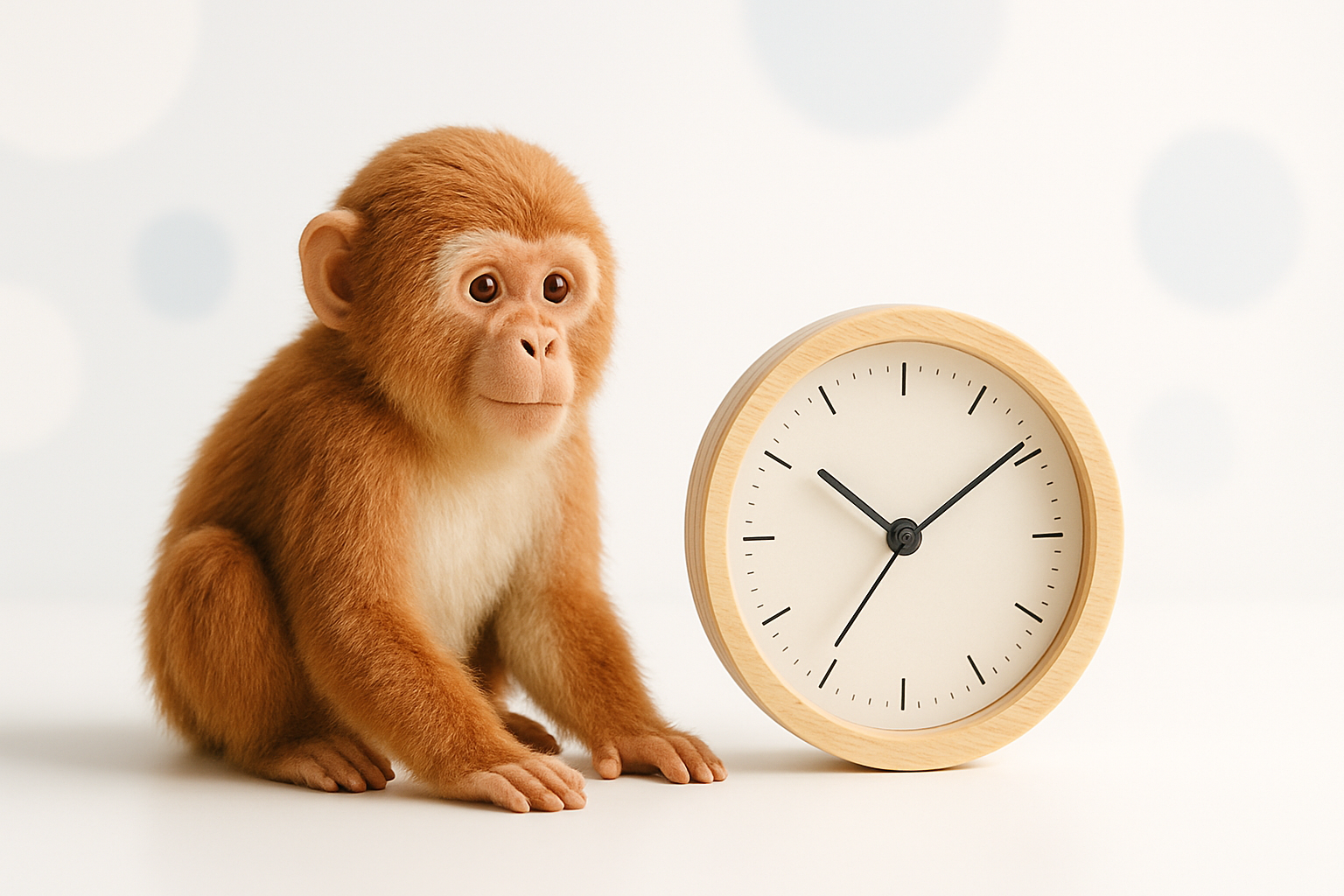
Have you ever wondered how long do monkeys live? These amazing animals come in many shapes and sizes, from tiny finger monkeys to large gorillas. Just like different types of dogs have different lifespans, monkey species also live for very different amounts of time.
Monkey lifespans can range from as short as 10 years to as long as 60 years or more. This huge difference depends on many things like their size, where they live, and what kind of monkey they are. Some small monkeys live quick, busy lives, while larger primates can live for many decades.
Understanding monkey lifespans helps us learn more about these smart animals and how to take better care of them. Whether you’re curious about pet monkeys, zoo animals, or wild primates, knowing about their lifespans gives us important clues about their health and needs. Let’s explore the fascinating world of monkey lifespans together.
Different Types of Monkeys and Their Lifespans
Not all monkeys are the same, and their lifespans vary greatly depending on their species. Small monkeys typically live shorter lives than larger ones. This pattern is common in the animal world.
Small monkeys like squirrel monkeys usually live 15-20 years. These tiny, active primates have fast metabolisms, which means their bodies work quickly but wear out sooner. Marmosets and tamarins, some of the smallest monkeys, live about 10-15 years in the wild.
Medium-sized monkeys have longer lifespans. Capuchin monkeys can live 20-25 years in the wild and up to 45 years in captivity. Baboons, which are larger and stronger, often live 20-30 years in their natural habitat.
Large primates live the longest. Chimpanzees can reach 40-50 years old, while orangutans may live up to 60 years. Gorillas typically live 30-40 years in the wild but can reach 50-60 years in zoos with proper care.
This size-to-lifespan relationship helps scientists understand how long do monkeys live based on their physical characteristics and energy needs.
Wild vs Captive Monkey Lifespans
Where monkeys live makes a huge difference in how long they survive. Wild monkeys face many dangers that captive monkeys don’t have to worry about. However, both environments have their own challenges.
Challenges in the Wild
Wild monkeys deal with many life-threatening situations every day. Predators like big cats, birds of prey, and snakes hunt them regularly. Finding enough food can be hard, especially during dry seasons or bad weather. Diseases spread quickly through wild monkey groups, and there are no veterinarians to help sick animals.
Fighting with other monkeys over territory or mates can cause serious injuries. Natural disasters like floods, fires, or storms can also shorten their lives. These harsh conditions mean wild monkeys often live shorter lives than their captive relatives.
Benefits of Captivity
Captive monkeys in good zoos or research centers usually live longer. They get regular meals with proper nutrition. Veterinarians check their health and treat diseases quickly. They’re safe from predators and harsh weather.
However, captivity isn’t always perfect. Stress from small spaces or lack of social contact can harm their health. Some captive monkeys develop behavioral problems that can affect their lifespan.
Factors That Affect How Long Monkeys Live
Several important factors determine monkey lifespans beyond just their species and living environment. Understanding these factors helps explain why some monkeys live much longer than others.
Diet and nutrition play a huge role in monkey health. Monkeys that eat a balanced diet with fruits, vegetables, insects, and other natural foods tend to live longer. Poor nutrition leads to weak immune systems and shorter lives.
Social connections are vital for monkey wellbeing. Most monkeys are social animals that need interaction with their own kind. Lonely monkeys often become stressed and sick more easily. Strong family bonds and friendships help monkeys live longer, happier lives.
Healthcare access makes a big difference. Monkeys that receive medical care when sick or injured obviously live longer than those without help. Regular health checkups can catch problems early.
Stress levels significantly impact monkey lifespans. Chronic stress from overcrowding, constant threats, or poor living conditions weakens their bodies over time. Calm, peaceful environments help monkeys live longer.
Genetics also matter. Just like humans, some monkeys inherit genes that help them live longer, while others may have genetic problems that shorten their lives.
Comparing Monkey Lifespans to Other Animals
Looking at monkey lifespans compared to other animals helps us understand where primates fit in the animal kingdom. This comparison shows some interesting patterns about intelligence and longevity.
Most monkeys live longer than similar-sized mammals. For example, a house cat typically lives 12-18 years, while a similar-sized capuchin monkey can live 20-45 years. This difference might be related to brain size and intelligence.
Here’s how monkey lifespans compare to other animals:
- Dogs: 10-15 years (smaller monkeys live about the same)
- Elephants: 60-70 years (similar to large apes)
- Dolphins: 20-50 years (close to many monkey species)
- Parrots: 20-80 years (often longer than monkeys)
- Horses: 25-30 years (similar to medium-sized monkeys)
Interestingly, many intelligent animals tend to live longer. Scientists think this might be because smart animals are better at avoiding dangers, finding food, and taking care of themselves. The question of how long do monkeys live often relates to their intelligence levels.
However, size still matters most. Larger animals generally live longer than smaller ones, regardless of intelligence.
Signs of Aging in Monkeys
Just like humans, monkeys show clear signs when they start getting old. Recognizing these signs helps caretakers provide better care for aging monkeys.
Physical Changes
Older monkeys develop gray hair, especially around their faces. Their skin becomes less elastic and may develop wrinkles. They move more slowly and carefully than young monkeys. Their posture might change, with some developing a slight hunch.
Vision and hearing problems become more common with age. Old monkeys may not react as quickly to sounds or may have trouble seeing clearly. Their teeth can wear down or fall out, making eating difficult.
Behavioral Changes
Aging monkeys often become less active and playful. They prefer to rest more and participate less in group activities. Some become grumpier or less patient with younger monkeys.
However, older monkeys often become wiser leaders in their groups. They remember where to find food during tough times and can guide younger monkeys away from danger. Their experience makes them valuable members of their communities.
Sleep patterns may change, with older monkeys sleeping more during the day or having trouble sleeping at night. They might also eat less or become pickier about their food.
Helping Monkeys Live Longer Lives
Understanding how long do monkeys live helps us find ways to extend their lifespans and improve their quality of life. Whether in zoos, research facilities, or conservation programs, humans can help monkeys live healthier, longer lives.
Proper veterinary care is essential. Regular checkups, vaccinations, and quick treatment of injuries or illnesses can add years to a monkey’s life. Good nutrition with species-appropriate diets keeps monkeys strong and healthy throughout their lives.
Creating enriching environments helps monkeys stay mentally and physically active. This includes providing climbing structures, puzzle feeders, and social interaction opportunities. Mental stimulation keeps older monkeys sharp and engaged.
Conservation efforts in the wild protect monkey habitats and reduce threats from human activities. When monkeys have safe places to live with plenty of food and clean water, their lifespans naturally increase.
By learning more about monkey lifespans and sharing this knowledge, we can all help protect these amazing animals. Whether you visit zoos, support conservation groups, or simply spread awareness, you’re helping monkeys live longer, better lives. What will you do to help our primate cousins thrive for generations to come?
