

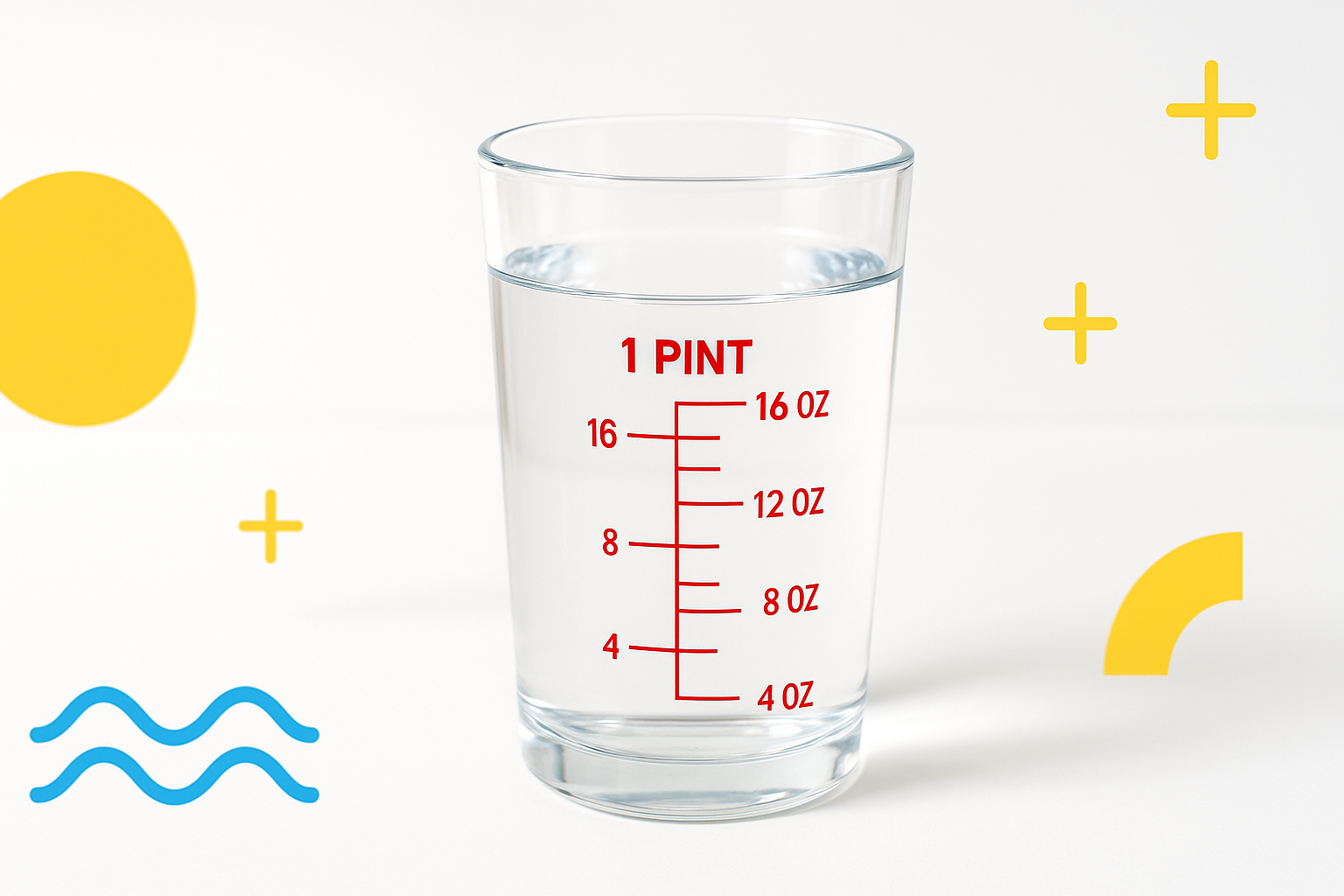
The Simple Answer: 16 Fluid Ounces Make One Pint
When you’re standing in your kitchen wondering how many fluid ounces in a pint, the answer is straightforward: 16 fluid ounces equal one pint in the United States customary system. This measurement forms the backbone of countless recipes, bartending guides, and everyday cooking tasks.
But here’s where things get interesting – this seemingly simple conversion carries more complexity than most people realize. Different measurement systems, regional variations, and practical applications can turn this basic kitchen math into a source of confusion for home cooks and professionals alike.
Why This Measurement Matters in Your Daily Life
Understanding pint-to-fluid-ounce conversions impacts far more than recipe adjustments. Whether you’re mixing cocktails for a dinner party, scaling up a soup recipe for meal prep, or trying to figure out how much paint you need for a small project, these measurements show up everywhere.
Professional bartenders rely on this conversion constantly. A standard pint glass holds exactly 16 fluid ounces, making it easy to calculate ingredient ratios for large batch cocktails. Home brewers use this knowledge when bottling their creations, and restaurant managers depend on accurate measurements for inventory and portion control.
The Imperial vs. US Customary System Difference
Here’s where things get tricky for international cooks and travelers. The United States uses its own customary system, while the United Kingdom and many other countries use the Imperial system – and their pint measurements differ significantly.
- US Customary Pint: 16 fluid ounces
- Imperial Pint: 20 fluid ounces
This 4-fluid-ounce difference can seriously impact recipe outcomes. Imagine following a British baking recipe that calls for a pint of cream, but using the US measurement instead. You’d end up with 20% less liquid than intended, potentially ruining your dessert.
The confusion stems from historical divergence. Both systems originated from English units, but the US standardized its measurements differently after independence. Today, this creates ongoing headaches for anyone working with international recipes or traveling between countries.
Quick Conversion Reference for Common Measurements
Smart cooks keep these conversions handy for quick kitchen calculations:
| Volume | US Fluid Ounces | US Pints |
| 1 cup | 8 fl oz | 0.5 pints |
| 1 pint | 16 fl oz | 1 pint |
| 1 quart | 32 fl oz | 2 pints |
| 1 gallon | 128 fl oz | 8 pints |
Notice how the measurements follow a logical progression. Each unit doubles the previous one, making mental math easier once you memorize the basic relationships.
Real-World Applications Beyond the Kitchen
Understanding fluid ounce to pint conversions extends well beyond cooking. Auto mechanics use these measurements when mixing coolant solutions or measuring oil quantities. Gardeners rely on accurate measurements when diluting fertilizers or pesticides – getting these ratios wrong can damage plants or create safety hazards.
Paint contractors frequently work with pint-sized samples and need to calculate coverage areas. A pint of paint typically covers about 50 square feet with one coat, so knowing that equals 16 fluid ounces helps when mixing custom colors or calculating material costs.
Memory Tricks That Actually Work
Professional chefs and bartenders use simple memory devices to avoid measurement mistakes during busy service periods. Here are the most effective techniques:
The “Sweet Sixteen” method: Remember that a pint contains 16 fluid ounces, just like the age associated with getting a driver’s license. Both represent a kind of “coming of age” – one for measurements, one for teenagers.
Visual association: Picture two standard coffee mugs (8 ounces each) sitting side by side. Together, they equal one pint. This works because most coffee mugs hold exactly 8 fluid ounces.
The doubling rule: Each measurement unit doubles as you go up the scale. Cup to pint doubles (8 to 16), pint to quart doubles (16 to 32), quart to gallon doubles (32 to 128).
Common Measurement Mistakes to Avoid
Even experienced cooks make these conversion errors. Learning to spot them prevents recipe disasters and wasted ingredients.
Confusing dry and liquid measurements: A pint of flour weighs differently than a pint of water, but both occupy the same volume. When recipes specify “fluid ounces,” they’re referring to volume, not weight.
Mixing measurement systems: Never combine Imperial and US measurements in the same recipe. Pick one system and stick with it throughout the entire cooking process.
Rounding errors in scaling: When doubling or halving recipes, round to practical measurements. Instead of calculating 24.5 fluid ounces, round to 24 or 25 depending on the ingredient’s importance to the final result.
Professional Tips for Accurate Measuring
Restaurant kitchens and professional bars maintain consistency through proven measuring techniques. These methods work just as well for home cooks who want restaurant-quality results.
Always measure liquids at eye level using clear containers with measurement markings. Plastic measuring cups can warp over time, affecting accuracy. Glass or stainless steel tools maintain their precision longer.
For sticky liquids like honey or molasses, spray your measuring container with cooking oil first. The liquid slides out completely, ensuring you get exactly 16 fluid ounces in your pint measurement.
When scaling recipes up or down, convert everything to the same units before doing calculations. Working with all fluid ounces or all pints reduces mathematical errors and makes double-checking easier.
Digital Tools vs. Traditional Methods
Modern kitchen scales and apps can convert measurements instantly, but understanding the basic relationships remains crucial. Technology fails, batteries die, and sometimes you need quick mental math without reaching for your phone.
Digital measuring devices excel at precision for professional applications. Craft distilleries and commercial kitchens use electronic tools for consistency across large batches. However, these tools cost significantly more than traditional measuring cups and require calibration to maintain accuracy.
For most home applications, quality traditional measuring tools provide sufficient precision while building your intuitive understanding of volume relationships.
International Recipe Conversions Made Simple
Working with recipes from different countries requires systematic approach to avoid confusion. Start by identifying which measurement system the recipe uses – look for clues in the ingredient list and cooking terminology.
British recipes often use terms like “double cream” or measurements in “stones” alongside Imperial pints. Australian recipes typically use metric measurements. Canadian recipes might mix systems, using both Imperial and metric units depending on the ingredient.
When in doubt, convert the entire recipe to your familiar system before starting to cook. This prevents mid-recipe confusion and ensures better results.
Knowing that 16 fluid ounces make a pint provides the foundation for confident cooking, accurate bartending, and successful recipe scaling. This simple relationship connects to broader measurement literacy that serves you well beyond the kitchen, from home improvement projects to professional applications where precision matters.
