

Key Takeaways
- Self-driving car services are expanding rapidly, with industry leaders actively launching robotaxi services in several major cities.
- Autonomous vehicles hold the promise of reducing congestion and increasing road safety, though careful planning and integration are essential for success.
- Collaboration between tech firms and ride-hailing companies is speeding up the rollout of self-driving vehicles across urban landscapes.
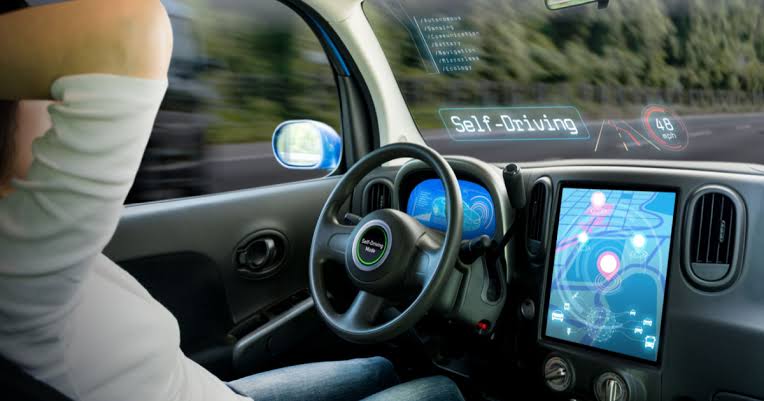
Self-driving car services are making waves across cities worldwide, dramatically transforming urban mobility. By offering innovative solutions to longstanding transportation challenges, these autonomous vehicles are paving the way for a future in which commuting becomes more efficient, safe, and accessible. As the technology behind self-driving cars matures, more people are experiencing the convenience and advanced safety features promised by this new mode of travel. Anyone interested in trying this cutting-edge service can download robotaxi app here to experience the benefits firsthand.
The expansion of self-driving car services is not simply a technological upgrade. It represents a shift in how cities approach congestion, personal mobility, and the reduction of accidents on busy streets. While these advancements are exciting, it is important to recognize the new questions they raise regarding integration into existing infrastructure, public acceptance, and regulatory adaptation. As adoption accelerates, debates about safety, job displacement, and city planning are coming to the forefront.
Expansion of Self-Driving Car Services
Autonomous transportation services are steadily gaining momentum, with several major cities serving as real-world environments for testing and refining self-driving technology. Robotaxi fleets have become increasingly visible in urban areas, demonstrating both the practical viability of autonomous mobility and growing public interest in alternative transportation options. These deployments are helping establish best practices for integrating self-driving vehicles into complex urban environments while addressing challenges in safety, accessibility, and efficiency.
Collaborative efforts among stakeholders across the automotive, technology, and mobility sectors are also driving the continued expansion of this technology. By combining expertise, resources, and infrastructure, these partnerships play a crucial role in scaling operations, improving innovation, and fostering confidence among regulators, local communities, and the traveling public.
Impact on Traffic Congestion and Safety
One of the strongest arguments for autonomous vehicles is their potential to reduce congestion and make roads safer. By removing human error from the equation, self-driving cars reduce the risk of accidents and can travel more efficiently, optimizing routes and speeds to minimize bottlenecks. Many studies suggest that, at scale, the implementation of AVs could help reduce collisions and smooth out rush hour gridlock. However, experts caution that without thoughtful policies, autonomous ride-hailing fleets could replicate the unintended negative effects seen with traditional ride-hailing apps, such as increased traffic volume and congestion. For more on this discussion, see Wired’s analysis of self-driving car impacts on urban traffic.
Moreover, the data generated by self-driving systems offers important insights for urban planners and policymakers. Autonomous vehicles can communicate with city infrastructure and share information on road conditions, traffic patterns, and incident response times. This real-time data exchange opens new opportunities to optimize traffic flows, reduce emergency response times, and support greener transportation initiatives. Such capabilities promise not only safer streets but also a more dynamic and responsive transportation ecosystem that can better serve the public’s needs in an ever-changing urban environment.
Partnerships Accelerating Adoption
The rapid advancement of self-driving vehicles has been fueled in part by strategic collaborations between autonomous technology developers and established transportation service providers. These partnerships make it easier for consumers to access autonomous rides through familiar platforms and user experiences, helping reduce adoption barriers while introducing the public to emerging mobility solutions. They also play an important role in developing reliable operational systems, refining safety protocols, and strengthening public trust in shared autonomous transportation.
As these cooperative efforts evolve, they are paving the way for innovative business models and expanded mobility services. Transportation providers are increasingly exploring integrated networks that combine autonomous vehicles with alternative options such as electric scooters, bicycles, and other forms of shared transit. This multi-modal approach aims to create a more connected transportation ecosystem, offering travelers greater flexibility, affordability, and convenience. By coordinating various modes of transport to address local demands, communities can improve accessibility and deliver more efficient journeys that benefit a broader range of residents and visitors.
Challenges in Integration and Public Acceptance
Despite substantial investment and visible progress, several hurdles remain in fully integrating self-driving cars into existing urban systems. Public acceptance is a key factor, as concerns about safety, privacy, and employment disruption persist. Many passengers are unfamiliar with autonomous systems and express reservations about relinquishing control to a robot driver. Clear communication, transparency in safety records, and user education campaigns are vital.
Additionally, regulatory adaptation lags behind technological advancements. City planners and lawmakers need to address issues like liability, insurance, and infrastructure changes. This includes redesigning roads and adapting traffic management systems for autonomous fleets. As these regulations evolve, cities will need to ensure that new rules support both innovation and public welfare.
Future Prospects
The future of urban transportation promises further disruption as self-driving car services continue to expand. Early pilot programs and real-world robotaxi operations are already influencing how people think about personal mobility. As technology improves and confidence grows, autonomous vehicles are expected to become increasingly common, transforming everything from daily commutes to long-distance travel in major cities worldwide.
The impact of this acceleration could be profound. If integrated thoughtfully, self-driving cars could make transportation safer and more accessible for a broader population, including older people and those with disabilities. Efficient, always-available robotaxis may contribute to the decline of private car ownership, freeing up urban space currently occupied by parking lots and reducing emissions by optimizing driving behavior. For a deeper dive into the potential societal and economic ripple effects, visit Wired’s feature on autonomous cars and city life.
In summary, self-driving car services are at a pivotal stage of expansion and acceptance. While much work remains to integrate these vehicles into existing systems and build public trust, their transformative potential is clear. The next decade will reveal how cities adapt to and benefit from this groundbreaking chapter in transportation history.
