

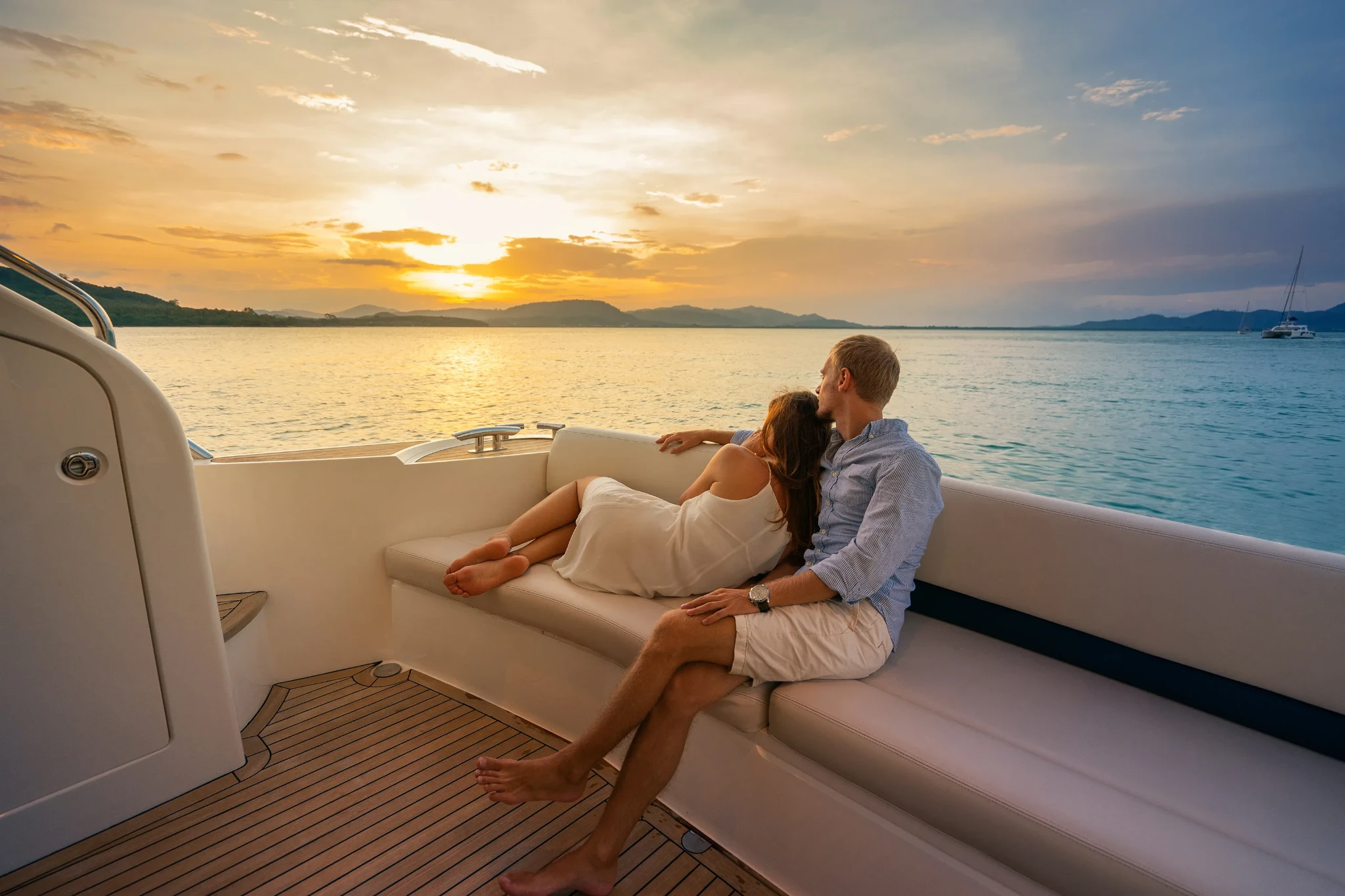
There is no purer expression of marine freedom than island-hopping under your own command. Traveling by boat allows you to bypass congested ferry terminals, skip crowded tourist corridors, and drop anchor in secluded coves accessible only by water. From the rugged archipelagos of the Mediterranean to the tropical coral chains of the Caribbean and South Pacific, an island-hopping voyage blends exhilarating coastal pilotage with the pleasure of finding a new anchorage each evening.
However, moving between islands is far more complex than simple day sailing. Inter-island channels regularly create strong wind accelerations, complex tidal streams, and sudden oceanic swells. Designing a successful itinerary requires balancing realistic sailing distances with mechanical self-reliance and comprehensive vessel outfitting.
Step 1: Navigating Inter-Island Channels and Microclimates
Every archipelago creates its own distinct meteorological and oceanographic conditions. When open ocean swells and prevailing winds encounter island chains, the water and air are forced through narrow passages, creating distinct physical effects that demand proactive planning.
- Venturi Funnels: High mountainous islands act as physical barriers that compress passing winds. A gentle 15-knot breeze in the lee of an island can violently surge to 30 knots or more the moment your vessel enters an open channel between landmasses. Always reef your sails or throttle back your cruising RPM before clearing the protective tip of a headland.
- Tidal Stream Convergences: As massive volumes of water squeeze through shallow passages between islands, tidal currents accelerate dramatically. Navigating against these currents burns excessive fuel and generates steep, standing waves known as wind-against-tide conditions. Time your channel passages around slack water or favorable flood and ebb streams to ensure smooth sailing.
- Lee Side Wind Shadows: Once you cross a channel and tuck behind an island, winds frequently drop to near-zero calms, followed by unpredictable downdrafts or katabatic gusts rolling off mountain peaks. Maintain sharp vigilance on your helm and engine readiness as you transition from open water to shoreline shelter.
Securing high-durabilitymarine parts-such as heavy-duty turning blocks, reinforced gooseneck fittings, and robust steering cables-ensures your vessel handles the abrupt shock loads and relentless cyclical friction generated when crossing turbulent inter-island passages.
Step 2: Selecting and Verifying Your Anchorages
A well-designed itinerary should never be rigid. Instead of committing to fixed marina bookings every night, build your route around a flexible chain of primary anchorages and secondary weather shelters.
When scouting an anchorage on your charts, evaluate seabed composition, depth profiles, and exposure to prevailing swells. A picturesque cove might offer glassy, calm water during the midday heat, only to turn into a rolling, sleepless trap at night when the wind shifts or offshore swells wrap around the outer reef. Prioritize natural harbors with sand or thick mud bottoms that offer clean, immediate holding for your anchor.
If your route takes you through the Balearic Islands, the Canary Islands, or along the rugged Mediterranean shores of Spain, sourcing certified tiendas nauticas from established Spanish maritime suppliers is the best way to secure top-tier anchoring essentials, mooring shock absorbers, and dinghy accessories before navigating protected marine reserves and rocky anchorages.
Step 3: Deck Outfitting and Anchorage Mobility
Island-hopping places high functional demands on your deck equipment and tender operations. Because you are frequently dropping anchor, setting stern lines, and launching small boats to explore shorelines, your onboard working systems must remain organized, accessible, and mechanically sound.
- Deploying the Shore Line: In narrow island coves, dropping anchor and running long lines to rocks or shoreline bollards prevents vessels from swinging into neighboring boats or shallow reefs. Store high-visibility floating polypropylene lines on dedicated deck reels so your crew can deploy them swiftly by dinghy or kayak without foul-ups.
- Maintaining Dinghy Reliability: Your tender is your primary vehicle for provisioning runs, scouting shallow anchorages, and exploring remote caves. Carry a rigid inflatable dinghy equipped with an outboard motor, an aluminum folding anchor, and reliable locking cables to secure it to public town quays.
- Deck Ergonomics and Sun Protection: Extended cruising under intense sun quickly drains crew energy. Installing durable biminis, cockpit shade awnings, and practical boat accessories like outboard engine hoists, fender covers, and deck washdown pumps elevates daily convenience and keeps your boat running like a well-ordered expedition vessel.
Step 4: Provisioning and Resource Autonomy
Remote islands often lack modern infrastructure, commercial fuel docks, and large supermarkets. Relying entirely on island shoreside facilities for your daily survival creates unnecessary logistical friction and forces you to alter your sailing route for basic groceries.
Maintain complete autonomy by stocking your lockers with shelf-stable staples, whole grains, tinned proteins, and root vegetables before departing major mainland hubs. Supplement your tankage with high-capacity reverse-osmosis watermakers or portable freshwater jerry cans. When island towns do provide fresh local produce, seafood, or bakery goods, buy locally to support island economies while keeping your onboard cold storage stocked.
Waste management is equally crucial. Remote island ecosystems are fragile and lack municipal recycling infrastructure. Strip all unnecessary commercial packaging from your provisions before casting off, separate plastics, and carry sealed, airtight trash containment systems on board until you reach authorized mainland disposal points.
The Freedom of Archipelago Exploration
Exploring coastlines and island chains by boat transforms the travel experience into an engaging, deliberate craft. Rather than rushing across vast oceans or lingering in crowded commercial ports, island-hopping rewards the curious navigator with hidden bays, transparent waters, and quiet coastal communities. By preparing your vessel with strong mechanical hardware, honoring the dynamic weather patterns between headlands, and staying flexible with your route, every new island on the horizon becomes the start of an extraordinary voyage.
