

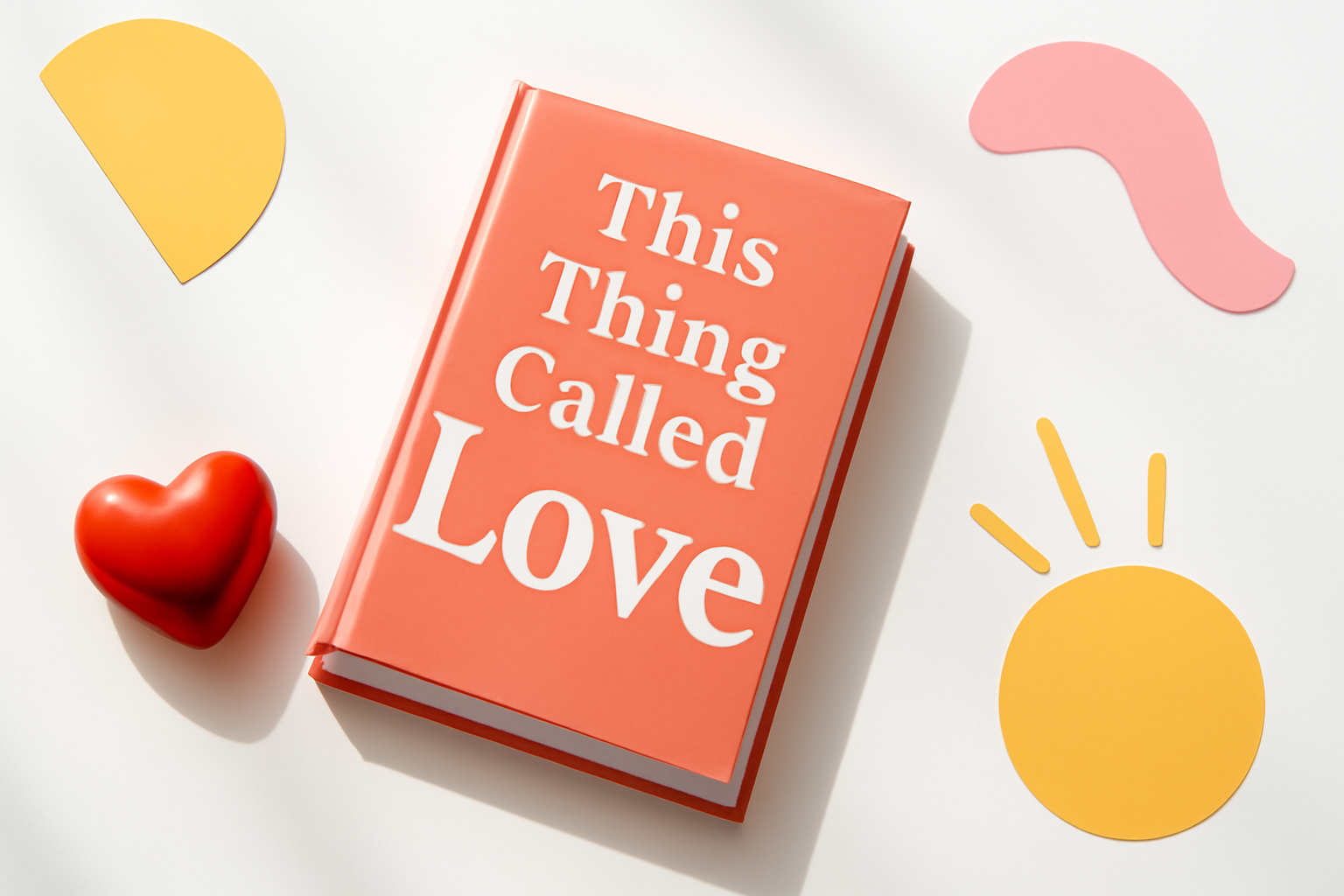
What Makes This Thing Called Love Worth Reading?
Some books arrive quietly and leave a lasting mark. This Thing Called Love is one of those reads — the kind that sneaks up on you with its honesty, emotional depth, and the way it captures something most of us struggle to put into words. Whether you stumbled across it in a bookstore or saw it recommended online, there’s a reason people keep coming back to talk about it.
This post breaks down what the book is actually about, why it resonates so strongly with readers, and what to expect before you pick it up. No spoilers without warning — just an honest, thoughtful look at a book that clearly struck a nerve.
A Quick Look at the Book Itself
Before getting into the deeper themes, it helps to know the basics. This Thing Called Love falls squarely in the contemporary romance and emotional fiction space. It explores the messy, complicated, often irrational experience of falling in and out of love — not the polished, movie-version kind, but the real thing with all its contradictions.
The writing style tends toward the intimate and introspective. Readers often describe it as feeling like the author wrote directly to them, capturing thoughts they’ve had but never been able to articulate. That’s a rare quality in fiction, and it’s a big part of why the book builds such a loyal readership.
Who Is This Book For?
The honest answer is: a lot of people. But more specifically, it tends to hit hardest for:
- Readers who’ve been through complicated romantic relationships
- People who enjoy emotionally driven stories over plot-heavy narratives
- Fans of authors like Colleen Hoover, Taylor Jenkins Reid, or Emily Henry
- Anyone who has ever wondered whether what they feel is actually love — or something else entirely
It’s not a light beach read, but it’s also not a dense literary novel. It sits comfortably in that sweet spot where emotional depth meets accessibility.
The Central Themes That Make It Stand Out
What separates this book from the crowded contemporary romance market is its refusal to make love simple. The author doesn’t tie things up neatly, and that’s exactly what makes it feel real.
Love as Confusion, Not Clarity
One of the core arguments running through the book is that love rarely announces itself clearly. You don’t always know when you’re in it, and you often don’t realize you’ve lost it until much later. The characters experience this firsthand — making choices that seem logical at the time but look completely different in hindsight.
This resonates because it mirrors actual human experience. Most romantic stories we consume give us a clear emotional arc. This book refuses that comfort, and readers appreciate the honesty.
The Difference Between Love and Attachment
There’s a running thread throughout the narrative that distinguishes between loving someone and simply needing them. The characters wrestle with this, sometimes without even realizing it. A lot of the emotional tension comes from that blurry line — the space where genuine love and emotional dependency overlap.
It’s the kind of theme that makes you put the book down and think about your own life. Which, arguably, is the mark of a book doing exactly what good fiction should do.
Timing, Regret, and the Roads Not Taken
The book also spends considerable time on the idea that love isn’t just about the right person — it’s about timing, circumstance, and the version of yourself you are when you meet someone. Characters who seem perfect for each other on paper still struggle, because they’re not in the right place in their own lives to make it work.
This is a less romanticized take than most readers are used to, and it sparks genuine conversation in book clubs and online communities about whether timing is ever really the issue — or just a convenient explanation.
What Readers Are Actually Saying
The response to This Thing Called Love across reading communities has been notably emotional. On platforms like Goodreads and BookTok, reviews frequently mention:
- Reading the book in one or two sittings because they couldn’t put it down
- Crying unexpectedly at scenes that weren’t obviously “sad”
- Recommending it immediately to friends going through relationship transitions
- Rereading specific passages multiple times
That last point is telling. When readers return to specific passages, it usually means the writing itself carries weight — that individual sentences are doing real work, not just moving plot forward.
“I’ve read dozens of romance novels this year and this is the only one that made me genuinely reconsider how I define love in my own life.” — A Goodreads reviewer
Critical response has been similarly positive, with particular praise going to the character development and the author’s restraint. Knowing what not to write is a skill, and it shows here.
How It Compares to Similar Books
If you’re trying to figure out whether this is the right read for you right now, it helps to compare it to books in the same emotional territory.
| Book | Tone | Focus | Best For |
| This Thing Called Love | Introspective, honest | The nature of love itself | Deep thinkers, emotional readers |
| It Ends with Us – Colleen Hoover | Raw, intense | Love and difficult choices | Readers who want high emotional stakes |
| The Seven Husbands of Evelyn Hugo – Taylor Jenkins Reid | Sweeping, nostalgic | Love across a lifetime | Readers who enjoy narrative complexity |
| People We Meet on Vacation – Emily Henry | Warm, witty | Friendship turning into love | Lighter emotional tone with real heart |
If you’ve loved any of those titles, there’s a very good chance This Thing Called Love will land well with you. The emotional intelligence is in the same league, though the style feels distinctly its own.
Reading It at Different Life Stages
One thing that comes up repeatedly in reader discussions is how differently people experience the book depending on where they are in life. This isn’t accidental — it’s a sign that the book has genuine depth rather than a single fixed meaning.
Someone reading it at 22 while navigating their first serious relationship will take away something very different from someone reading it at 38 after a divorce, or at 50 reflecting on decades of partnership. The text holds up across those different entry points, which is genuinely hard to achieve.
If you’ve read it once and it didn’t fully land, it might be worth revisiting at a different point in your life. Many readers report that a second read — sometimes years later — hits much harder than the first.
Passages and Moments That Tend to Hit Hardest
Without going into full spoiler territory, there are a few moments in the book that consistently appear in reader quotes and social media posts. They tend to cluster around:
- The moment a character realizes they’ve been confusing comfort with love — a quiet, devastating scene that most readers say they didn’t see coming
- A conversation about what it means to truly choose someone — the kind of dialogue that sounds simple on the surface but unravels in your mind afterward
- The ending — deliberately ambiguous, which some readers love and others find frustrating, but which almost everyone agrees is the right choice for the story
The ambiguous ending is probably the most discussed element of the book. It doesn’t resolve everything, and it doesn’t pretend to. Love, in real life, rarely wraps up cleanly — and the book honors that reality even when it’s uncomfortable.
Is It the Right Book for Your Next Read?
Here’s a simple way to think about it. You’ll probably love This Thing Called Love if:
- You want a book that makes you feel something beyond entertainment
- You’re okay with emotional ambiguity and open-ended questions
- You’re drawn to character psychology over fast-paced plot
- You’ve been in a complicated relationship and want to see that complexity reflected honestly
You might struggle with it if you prefer clear resolutions, lighter tones, or action-driven narratives. That’s not a criticism — it’s just about fit. Not every book is for every reader, and this one has a specific emotional register that works powerfully for the right audience.
Why This Thing Called Love Keeps Finding New Readers
The reason books like this one continue circulating — years after release, passed between friends, recommended in online communities — is that they tap into something universal. Love is one of the few experiences that every human being shares, regardless of background, culture, or circumstance. Books that engage with it honestly, without sugarcoating or oversimplifying, have a staying power that more commercially polished stories often lack.
This Thing Called Love earns its place on that list. It’s not a perfect book — no book is — but it’s an honest one. And in the crowded world of contemporary fiction, honesty is its own kind of rare.
If you’ve been on the fence, this is your gentle nudge. Clear your evening, find a quiet corner, and give it a few chapters. There’s a good chance you won’t want to stop.
