

The World’s Most Notorious Chemical Compound Has Scientists Running for Cover
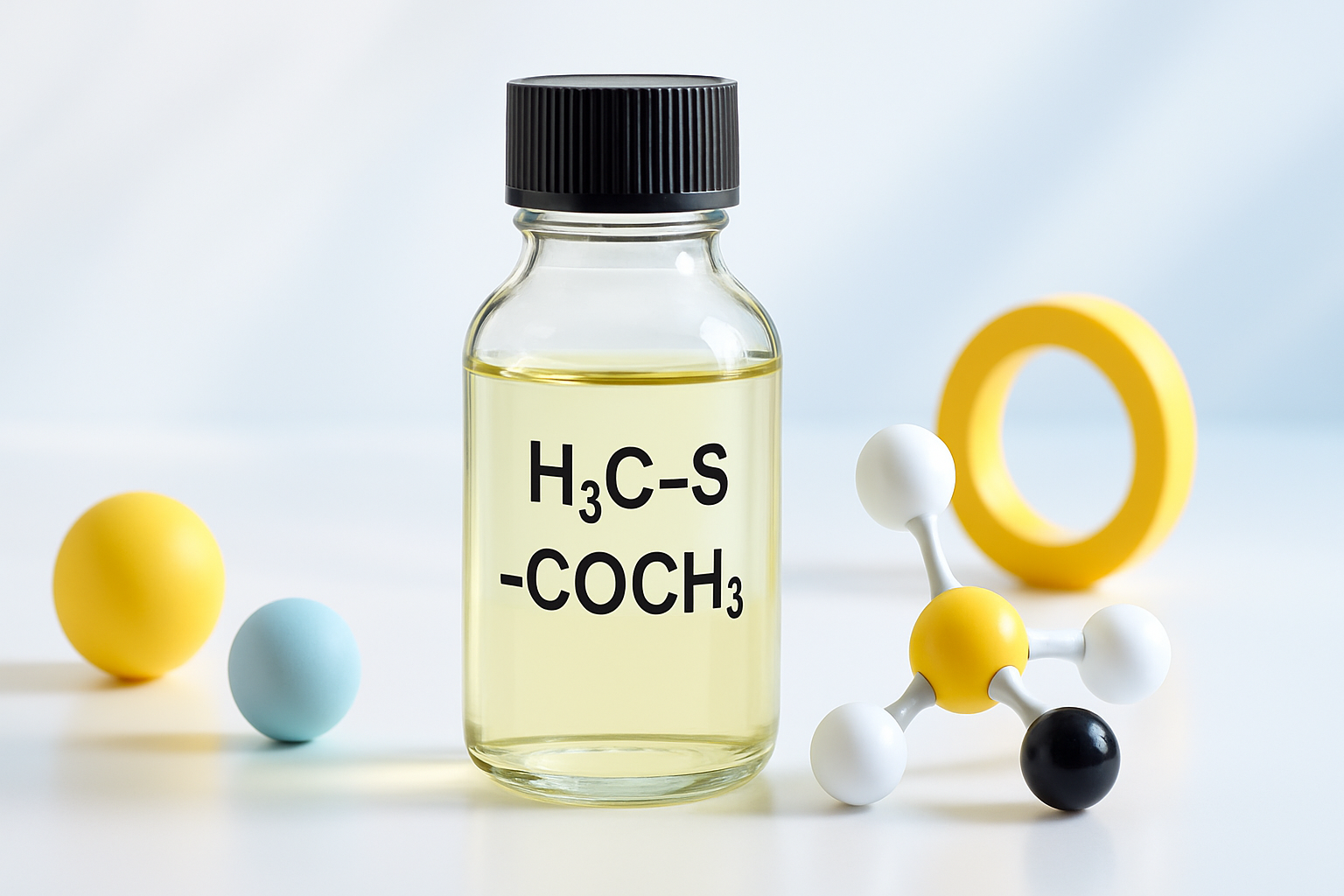
Imagine a substance so overwhelmingly foul-smelling that a single drop can clear an entire building within minutes. Meet thioacetone, often dubbed the world’s worst-smelling chemical compound—a molecule so potent that even experienced chemists refuse to work with it without extreme precautions.
This sulfur-containing organic compound has earned legendary status in chemistry labs worldwide, not for its useful properties, but for its ability to trigger immediate evacuation protocols. The mere mention of thioacetone in academic circles often elicits nervous laughter and horror stories passed down through generations of researchers.
Unlike other notoriously smelly compounds that might cause temporary discomfort, thioacetone operates on an entirely different level of olfactory assault. Its odor has been described as a combination of rotting cabbage, garlic, and sewage—multiplied by a factor that defies human comprehension.
What Makes Thioacetone So Unbearably Offensive
The secret behind thioacetone’s legendary stench lies in its molecular structure. This simple ketone compound contains sulfur atoms that interact with human olfactory receptors in ways that trigger immediate and intense disgust responses.
Scientists have identified several key factors that contribute to its overwhelming potency:
- Extreme volatility: The compound readily evaporates at room temperature, allowing odor molecules to travel vast distances
- Low detection threshold: Human noses can detect thioacetone at concentrations as low as parts per trillion
- Sulfur content: The sulfur atoms create compounds that our brains have evolved to associate with danger and decay
- Chemical stability: Once released, the odor persists for extended periods, making contaminated areas unusable
The compound’s molecular formula (C₃H₆OS) might look deceptively simple, but this arrangement creates one of nature’s most effective chemical weapons against human sensory systems.
Historical Incidents That Made Headlines
The most famous thioacetone incident occurred in 1889 at a chemical factory in Freiburg, Germany. When workers attempted to distill the compound, the resulting vapor cloud forced the evacuation of the entire facility and surrounding neighborhood.
Reports from the incident describe people vomiting uncontrollably at distances of over half a mile from the source. Local authorities struggled to identify the cause of the mysterious “gas attack” until chemists traced the problem back to the thioacetone distillation.
More recent incidents have occurred in university laboratories where graduate students, often unaware of the compound’s reputation, accidentally released small quantities during synthesis attempts. These events typically result in:
- Immediate building evacuations
- Temporary closure of entire chemistry departments
- Emergency response team callouts
- Expensive decontamination procedures
One particularly memorable incident at a prestigious research university required the affected laboratory to remain sealed for three weeks while specialized cleaning crews worked to eliminate all traces of the odor.
Why Scientists Continue Studying This Nightmare Molecule
Despite its terrifying reputation, thioacetone serves important purposes in chemical research and industry. Understanding its properties helps scientists develop better odor control technologies and study human olfactory responses.
Research applications include:
- Perfume industry studies: Analyzing how humans detect and process extreme odors
- Chemical synthesis: Using thioacetone as an intermediate in creating other sulfur compounds
- Military research: Investigating non-lethal chemical deterrents
- Neuroscience: Studying brain responses to overwhelming sensory input
Pharmaceutical companies occasionally work with thioacetone derivatives, though they’ve developed specialized containment protocols that treat the compound like a hazardous material requiring Level 4 biosafety procedures.
Safety Protocols That Sound Like Science Fiction
Working with thioacetone requires safety measures that exceed those used for many toxic substances. Laboratories that handle this compound implement protocols that seem almost comical in their extremity:
Containment Requirements:
- Sealed reaction vessels with multiple redundant containment systems
- Negative pressure chambers isolated from building ventilation
- Remote handling equipment operated from separate rooms
- Emergency evacuation plans for entire building complexes
Personal Protection:
- Full-face respirators with specialized chemical filters
- Complete body coverage with impermeable suits
- Decontamination showers before leaving work areas
- Multiple clothing changes to prevent odor transfer
Some research facilities have installed automated systems that immediately flood reaction chambers with neutralizing agents if thioacetone containment fails, prioritizing building habitability over experiment preservation.
Comparing Thioacetone to Other Notoriously Smelly Compounds
While many chemicals produce unpleasant odors, thioacetone stands in a category of its own. Here’s how it compares to other infamous stinkers:
| Compound | Odor Description | Detection Threshold | Evacuation Risk |
| Thioacetone | Rotting cabbage/garlic/sewage | Parts per trillion | Extreme |
| Hydrogen sulfide | Rotten eggs | Parts per billion | Moderate |
| Butyric acid | Vomit/rancid butter | Parts per million | Low |
| Skatole | Fecal matter | Parts per billion | Low |
The detection threshold differences reveal why thioacetone has earned its fearsome reputation. While other compounds might be unpleasant at high concentrations, thioacetone triggers overwhelming responses at concentrations thousands of times lower.
The Evolutionary Psychology Behind Our Extreme Response
Scientists believe our intense reaction to thioacetone stems from evolutionary adaptations that helped our ancestors avoid dangerous situations. The human olfactory system has evolved to associate certain sulfur compounds with:
- Decomposing organic matter that could harbor deadly bacteria
- Toxic gases produced by volcanic activity or chemical reactions
- Spoiled food that could cause fatal poisoning
- Chemical signatures of dangerous predators or environmental hazards
This explains why exposure to thioacetone triggers not just disgust, but genuine panic responses including nausea, dizziness, and immediate flight reactions.
Modern Research and Future Applications
Contemporary scientists continue investigating thioacetone’s properties, though always with extreme caution. Current research focuses on:
Neutralization Technologies: Developing chemical agents that can rapidly break down thioacetone molecules in contaminated environments.
Biosensor Development: Creating detection systems that can identify thioacetone presence before human exposure occurs.
Pharmaceutical Applications: Studying how thioacetone derivatives might be modified to retain useful chemical properties while eliminating the overwhelming odor.
Some researchers theorize that understanding thioacetone’s extreme potency could lead to breakthroughs in non-lethal crowd control technologies, though ethical concerns limit this research direction.
The Lasting Legacy of Chemistry’s Most Feared Molecule
Thioacetone continues to serve as both a cautionary tale and a fascinating subject of scientific inquiry. Its reputation has transcended academic circles, becoming a symbol of chemistry’s power to create substances that challenge human sensory limits.
For chemistry students, learning about thioacetone provides valuable lessons about respecting chemical properties and implementing proper safety protocols. The compound demonstrates how even simple molecular structures can produce extraordinary and unexpected effects.
As research techniques advance and safety protocols improve, scientists may eventually find ways to harness thioacetone’s unique properties without triggering mass evacuations. Until then, this remarkable molecule remains one of chemistry’s most notorious achievements—a substance so effective at overwhelming human senses that its very existence seems almost supernatural.
