
Okay, so let’s talk about proxies for a second. If you’ve ever used one, you probably know the annoying part isn’t setting it up — it’s not knowing if it’s actually doing anything. Like, is it working? Is it fast? Is it actually hiding your identity, or is it basically waving a flag that says “hey, I’m using a proxy!”? That’s a real problem, and honestly, most people don’t have a quick way to check.
That’s where a good checker proxy tool comes in handy, and one of the easiest ones out there is proxy-checker.net. It’s a free online tool that checks your proxy for you in just a few seconds. No downloads. No confusing settings. No need to be a tech genius. You just type in some info, hit a button, and boom — you know exactly what’s going on with your proxy.
Let’s break down what this thing actually is, why it matters, and how you can use it like a pro, even if you’ve never touched a proxy before in your life.
So, What Even Is Proxy-Checker?
Think of Proxy-Checker like a health checkup, but for your proxy server instead of your body. When you go to the doctor, they check your temperature, your heart rate, stuff like that, right? Proxy-Checker does something similar. It looks at your proxy and tells you:
- Is it alive and working?
- How fast is it?
- Does it actually hide your real identity, or does it kind of fail at that job?
- Where is it located?
- What type of proxy is it?
All of this happens on the website proxy-checker.net. You don’t need an account. You don’t need to pay anything. You just show up, plug in your proxy’s info, and the site does all the hard work for you.
Wait, Why Do I Even Need to Check My Proxy?
Good question. Here’s the thing: not every proxy is a good proxy. Some are fast. Some are painfully slow. Some hide your identity really well. Some don’t hide it at all, which kind of defeats the whole purpose of using one in the first place.
Here are some real reasons people check their proxies:
- Some proxies just stop working. They go offline, or they get overloaded, and suddenly they’re useless. If you don’t check, you might not find out until something breaks.
- Some proxies leak your real IP address. This is a big deal if you’re using a proxy specifically because you don’t want your real location or identity showing up.
- Some proxies are super slow. If you’re trying to do something quickly — like browsing, scraping data, or managing multiple accounts — a slow proxy can seriously mess up your flow.
- Some proxies get blacklisted. Websites can flag certain IP addresses as suspicious, and if your proxy is one of them, sites might just block you outright.
- You want to know the anonymity level. Not every task needs a super secretive, ultra-private proxy. Sometimes a basic one is fine. But for other stuff, you really need the good, high-anonymity kind.
Basically, if you’re relying on a proxy for anything important, checking it first just makes sense. It’s like checking your car’s oil before a road trip. You could skip it, but you probably shouldn’t.
The Cool Features of Proxy-Checker
Let’s go through what this tool actually does, piece by piece, in a way that’s easy to follow.
1. It Tells You If the Proxy Is Actually Working
This is the most basic (but honestly most important) thing. Proxy-Checker tests whether your proxy responds at all. If it’s dead, broken, or just not working anymore, you’ll know right away instead of wasting time trying to use something that’s already given up.
2. It Checks How Anonymous Your Proxy Really Is
This part is kind of the star of the show. Not all proxies are equally sneaky about hiding your identity. Proxy-Checker sorts proxies into a few categories so you know exactly what you’re dealing with:
- Transparent proxies — these are basically the “not even trying to hide” type. They tell websites your real IP address anyway. So if privacy is your main goal, this type isn’t going to help much.
- Anonymous proxies — these hide your real IP address, which is good, but they might still let websites know that you’re using a proxy at all. It’s like wearing a disguise, but the disguise still says “I’m wearing a disguise” on it.
- Elite proxies (also called high-anonymity proxies) — these are the best of the best. They hide your IP completely, and they don’t even let websites know you’re using a proxy in the first place. If you want maximum privacy, this is the type you want.
Knowing which category your proxy falls into is super useful because it tells you exactly what kind of tasks it’s good for.
3. It Measures Speed
Nobody likes waiting around for a slow connection. Proxy-Checker measures how quickly your proxy responds, so you can tell if it’s going to keep things moving smoothly or if it’s going to be a bottleneck that slows everything down. If you’re doing something that needs speed — like scraping a bunch of web pages or managing several accounts at once — this feature is honestly a lifesaver.
4. It Shows You Location and Protocol Info
Depending on what you’re doing, you might need a proxy from a specific country or region. Proxy-Checker usually shows you where the proxy is located, plus what protocol it uses (like HTTP, HTTPS, or SOCKS). This helps you make sure you’re using the right proxy for the right job, instead of guessing and hoping for the best.
How to Actually Use Proxy-Checker (It’s Really This Easy)
Alright, here’s the fun part. Using this tool takes like, thirty seconds. Seriously. Here’s how it works:
- Go to proxy-checker.net. Just open it up in your browser like any other website.
- Type in your proxy’s IP address and port number. This is usually just a set of numbers you already have if you’re using a proxy.
- Click the check button. This starts the test.
- Wait a couple seconds. The tool goes and checks everything for you behind the scenes.
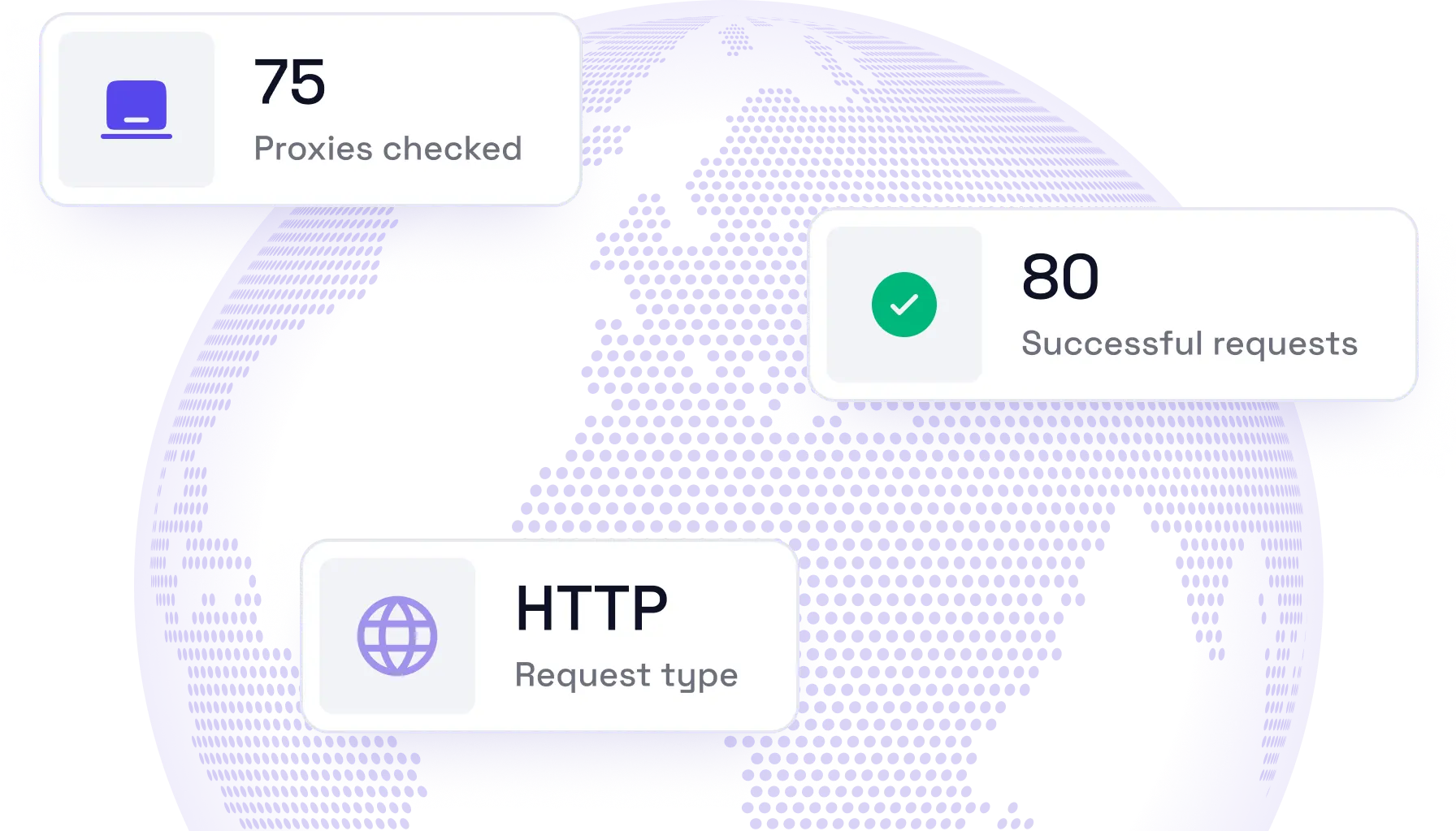
- Look at your results. You’ll see whether the proxy works, how anonymous it is, and how fast it is.
- Repeat if you have more proxies to test. If you’ve got a whole list, you can just run through them one after another.
That’s it. No manuals, no tutorials needed, no headaches. It’s designed so literally anyone can use it, even if this is the first time you’ve ever heard the word “proxy.”
Who Actually Uses This Kind of Tool?
You might be wondering, “okay, but who is this actually for?” Turns out, quite a lot of different people find this useful:
- People doing SEO work. If you’re checking website rankings or researching competitors, proxies help you see results from different locations, and you need to know they’re actually working.
- People who collect data from websites (aka web scraping). If you’re pulling information from a bunch of sites, you need reliable proxies, or your whole process breaks down.
- Digital marketers. If you’re managing multiple accounts or checking how ads look in different regions, proxies are a big part of that workflow.
- Everyday people who just care about privacy. Maybe you’re not doing anything fancy — you just want to browse the internet without being tracked everywhere you go. A quick proxy check gives you peace of mind.
Honestly, even if you don’t fall into any of these categories exactly, if you’re using a proxy for literally any reason, this tool is worth having in your back pocket.
Why People Like Using Proxy-Checker
Here’s the thing — there are other ways to check proxies, sure. But a lot of them are complicated, require you to install stuff, or involve typing commands into some scary black screen (aka the command line). Proxy-Checker skips all of that.
It’s built to be:
- Fast. You get answers in seconds, not minutes.
- Simple. There’s nothing complicated about the interface. You put in the info, you get your results, done.
- Free. No hidden costs, no subscriptions, no surprise charges.
- Accessible. You don’t need to be a computer expert. If you can use Google, you can use this.
It really comes down to saving time and avoiding frustration. Instead of guessing whether your proxy is doing its job, or manually testing things one by one, you get a clear answer immediately.
Wrapping It Up
At the end of the day, proxies are supposed to make your life easier — whether that’s protecting your privacy, helping with research, or supporting whatever online task you’re working on. But a proxy that doesn’t work, or one that doesn’t actually hide your identity properly, kind of defeats the purpose.
That’s exactly why a tool like Proxy-Checker is so handy. It takes something that used to be confusing or time-consuming and turns it into a quick, simple check that anyone can do. You don’t need special skills, you don’t need to install anything, and you definitely don’t need to stress about it.
So next time you’re not sure if your proxy is actually pulling its weight, just head over to proxy-checker.net, plug in the details, and let it do the work for you. It’s quick, it’s free, and it takes all the guesswork out of the equation.
