

Why That Monkey Side Eye Became the Internet’s Favorite Skeptical Stare
A single photograph of a monkey casting the most perfectly skeptical sideways glance has taken social media by storm. This now-famous monkey side eye has become the go-to reaction image for expressing doubt, judgment, and that unmistakable “really?” feeling we all know too well.
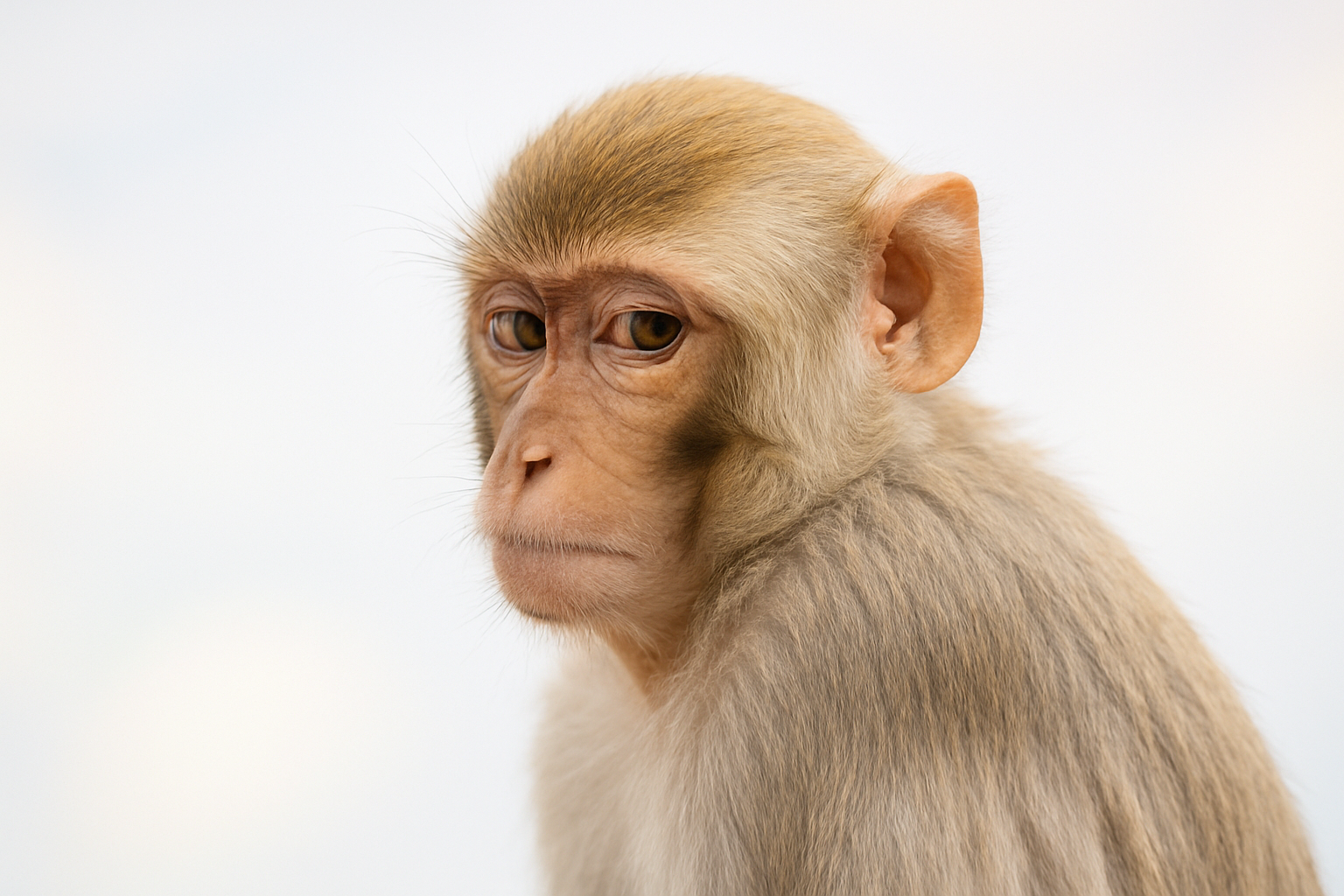
The image shows what appears to be a macaque monkey turning its head slightly to look directly at the camera with an expression that screams pure skepticism. That sideways stare has resonated with millions of people who see their own internal monologue perfectly captured in those judgmental primate eyes.
But how did this particular monkey’s expression become such a cultural phenomenon? The story involves viral timing, relatable emotions, and our deep connection to primate facial expressions.
The Original Photo That Started Everything
The monkey side eye meme originated from a photograph taken at what appears to be a zoo or wildlife sanctuary. The image shows a monkey, likely a long-tailed macaque, sitting casually but turning its head to give the camera operator an unmistakably judgmental look.
What makes this particular image so powerful is the monkey’s expression. Its eyes are slightly narrowed, eyebrows raised just enough to suggest annoyance, and the angle of its head creates that perfect side-eye effect that humans have been perfecting for centuries.
The photo first gained traction on Twitter and Instagram before spreading across other platforms. Users immediately recognized the universal nature of that expression – we’ve all given someone that exact same look when they’ve said something questionable.
Why Primate Expressions Hit Different
There’s a scientific reason why this monkey’s skeptical stare feels so familiar and relatable. Humans share a significant amount of facial muscle structure and expression patterns with other primates, particularly macaques.
Research shows that many basic facial expressions evolved before humans and other primates diverged. This means that when we see a monkey making what looks like a skeptical or judgmental face, it’s not just our imagination – there’s real evolutionary connection there.
The side-eye specifically triggers recognition because it’s a universal expression of:
- Skepticism and doubt
- Mild annoyance or disapproval
- Social judgment
- The feeling of being unimpressed
- Silent criticism
When a non-human primate displays these same facial cues, it creates an instant connection that feels both familiar and amusing.
How the Meme Exploded Across Social Platforms
The monkey side eye gained momentum through the perfect storm of timing, relatability, and platform algorithms. Users began sharing the image as a reaction to everything from questionable social media posts to celebrity drama.
On Twitter, the image became a standard response to tweets that deserved skepticism. Instagram users started incorporating it into their stories to shade questionable behavior without directly calling anyone out. TikTok creators used it in videos about everything from bad dating advice to workplace drama.
The meme’s versatility made it perfect for different contexts. Unlike some memes that only work in specific situations, this monkey’s expression could be applied to almost any scenario requiring a dose of skeptical judgment.
Popular Ways People Use the Monkey Side Eye
The beauty of this meme lies in its flexibility. People have found countless creative ways to deploy that skeptical monkey stare:
Social Media Reactions
The most common usage involves dropping the image as a reply to questionable posts, tweets, or comments. It’s become the polite way to say “I’m not buying what you’re selling” without typing a single word.
Relationship Commentary
Dating app conversations, relationship advice posts, and romantic drama often get the monkey treatment. The expression perfectly captures that moment when someone claims they’re “not like other people” or shares an obviously fabricated story.
Workplace Humor
Office workers have embraced the monkey side eye for commenting on everything from unrealistic deadlines to tone-deaf corporate communications. It’s professional enough to share in work chat groups while still conveying the appropriate level of skepticism.
Celebrity and Influencer Drama
When public figures make questionable statements or obvious PR moves, this monkey’s judgmental stare often appears in comment sections and reaction posts.
The Psychology Behind Why This Meme Works
Several psychological factors contribute to the monkey side eye’s effectiveness as a communication tool:
Non-verbal communication: The image allows people to express complex feelings without words. Sometimes a skeptical stare says more than a paragraph of explanation.
Humor as social bonding: Sharing the meme creates instant understanding between people who recognize the same absurdity or questionable behavior.
Safe criticism: Using a cute monkey image softens the blow of skepticism. It’s harder to get offended by a primate’s judgmental stare than a direct human criticism.
Universal recognition: The expression transcends cultural and linguistic barriers. Everyone understands what that look means, regardless of their background.
Other Famous Animal Side Eyes in Meme History
While this particular monkey has claimed the throne, it’s not the first animal to master the art of the skeptical stare:
The “Distracted Boyfriend” meme featured a woman giving serious side eye to her boyfriend checking out another woman. Various dogs, cats, and birds have had their moments of viral skepticism captured on camera.
What sets the monkey apart is the human-like quality of its expression combined with perfect timing in the meme ecosystem. The image arrived when social media users were hungry for new ways to express skepticism about increasingly absurd online content.
The Cultural Impact Beyond Social Media
The monkey side eye has transcended typical meme boundaries to become part of broader cultural conversation. News outlets reference it when discussing social media trends. Teachers report students using the gesture in classrooms. It’s even appeared on merchandise and in marketing campaigns.
This crossover into mainstream culture reflects how deeply the expression resonates with people’s need to communicate skepticism in an increasingly absurd world.
What Makes a Meme Last vs. Fade Away
The staying power of the monkey side eye offers insights into what separates lasting memes from flash-in-the-pan viral content:
- Universal applicability: Works in countless different contexts
- Emotional resonance: Captures a feeling everyone has experienced
- Visual clarity: The message is immediately clear without explanation
- Appropriate tone: Provides criticism without being mean-spirited
- Cross-platform compatibility: Works equally well on different social media platforms
The Future of Reaction Memes
As social media continues evolving, reaction images like the monkey side eye serve an increasingly important function. They provide quick, effective ways to communicate complex emotions and social commentary without lengthy text explanations.
The success of this particular image suggests that future viral reaction memes will likely share similar qualities: clear emotional expression, broad applicability, and that perfect balance between criticism and humor that keeps things light while still making a point.
That skeptical monkey stare has earned its place in internet history by perfectly capturing something we all feel but don’t always know how to express. In a world full of questionable content and dubious claims, sometimes the most appropriate response is simply a well-timed side eye from our primate cousins.
