
Why This Choice Matters More Than You Think
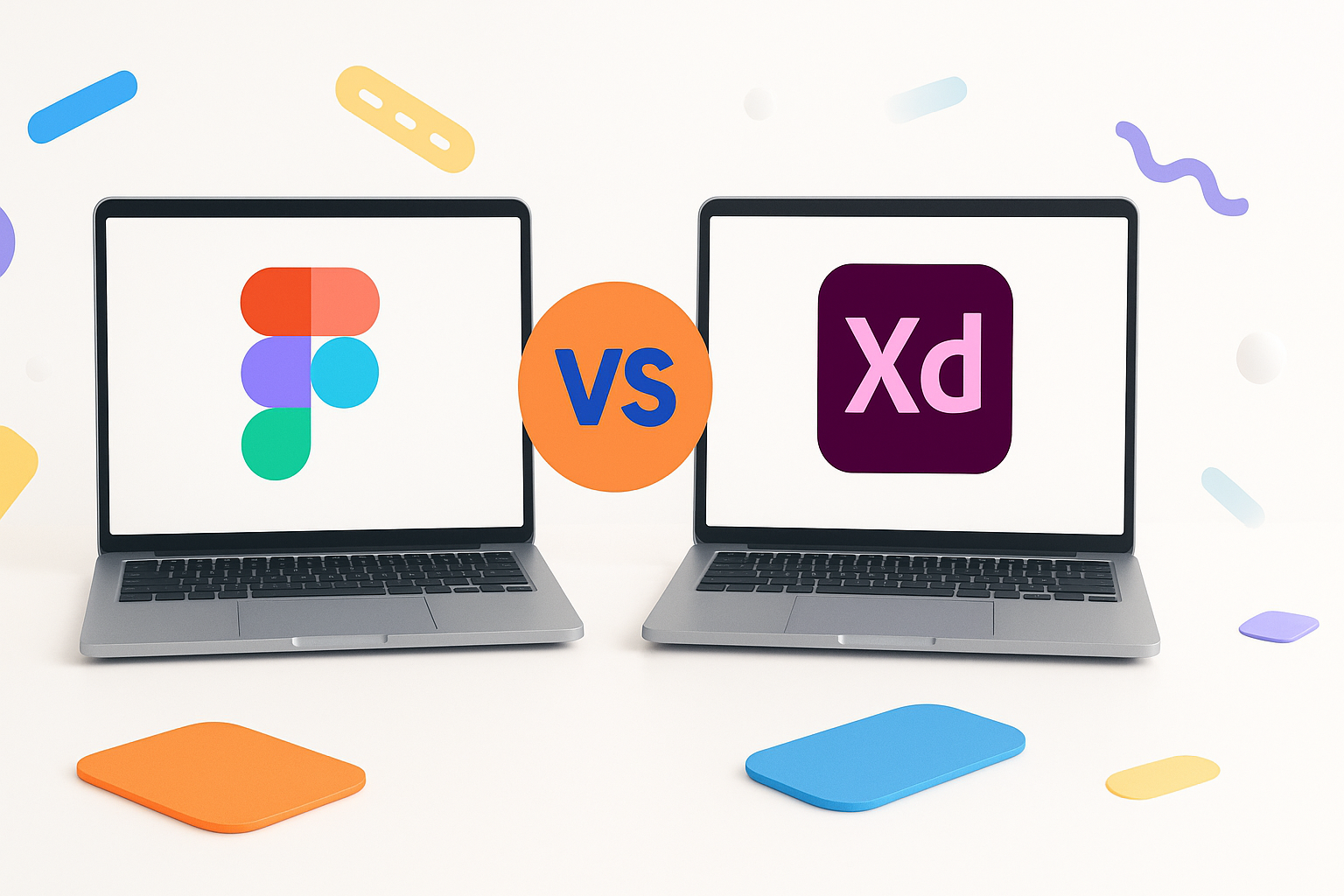
Choosing between Figma and Adobe XD as a beginner can feel overwhelming, especially when both tools promise to transform your design ideas into stunning user interfaces. The truth is, your first design tool shapes how you think about the entire design process.
Both platforms excel at creating wireframes, prototypes, and polished designs, but they take fundamentally different approaches. Understanding these differences early will save you countless hours of frustration and help you build skills that actually matter in today’s design landscape.
The decision between Figma vs Adobe XD for beginners isn’t just about features—it’s about choosing a learning path that aligns with how modern design teams actually work.
The Real Difference: How Each Tool Thinks
Adobe XD feels familiar if you’ve used other Adobe products. It follows traditional software patterns with menus, panels, and workflows that desktop users recognize instantly. You download it, install it, and work locally on your machine.
Figma flipped this model completely. Everything happens in your web browser, with real-time collaboration baked into every feature. It thinks like Google Docs but acts like professional design software.
This fundamental difference affects everything from how you save files to how you share feedback with others. Adobe XD saves projects as local files that you manually sync to the cloud. Figma automatically saves everything online, making your work accessible anywhere with an internet connection.
Learning Curve: Which Gets You Creating Faster
Figma’s interface feels more intuitive for complete beginners. The toolbar sits prominently at the top, tools behave predictably, and the layer panel makes logical sense. You can start creating basic layouts within your first hour.
Adobe XD requires more upfront learning but rewards you with deeper control once you grasp its logic. The pen tool works exactly like Illustrator, and effects panels offer granular adjustments that Figma handles more automatically.
Here’s what beginners typically struggle with in each tool:
- Figma challenges: Understanding components, managing file organization, navigating team libraries
- Adobe XD challenges: Mastering the repeat grid, linking artboards for prototypes, syncing shared assets
Most beginners create their first working prototype faster in Figma, but Adobe XD users often produce more polished individual screens early on.
Collaboration: Working With Others vs Working Alone
If you plan to work with developers, other designers, or clients, Figma dominates this category completely. Multiple people can edit the same file simultaneously, leave contextual comments, and see changes in real-time.
Sharing a Figma design is as simple as copying a link. Recipients can inspect code values, download assets, and leave feedback without installing anything. This seamless sharing often determines tool adoption in professional environments.
Adobe XD handles collaboration through Creative Cloud sharing, which works well but requires more steps. Stakeholders need Adobe accounts to comment on shared prototypes, and simultaneous editing isn’t possible.
For beginners working on personal projects, this difference matters less. But if you’re learning design to join a team or freelance for clients, Figma’s collaboration advantages become crucial.
Features That Actually Matter for New Designers
Both tools handle essential design tasks well, but they excel in different areas that affect your daily workflow.
Prototyping and Animation
Adobe XD’s prototyping feels more polished out of the box. Transitions between screens look smoother, and advanced features like voice prototyping and 3D transforms give you professional-grade capabilities.
Figma’s prototyping works perfectly for most use cases but focuses on simplicity over advanced effects. Smart Animate handles basic transitions well, and the prototyping logic is easier to understand for beginners.
Component Systems and Reusability
Figma’s component system is more flexible and forgiving for beginners. Creating a button component and reusing it across designs feels natural, and overriding properties works intuitively.
Adobe XD’s components (called symbols in older versions) are powerful but require more planning upfront. Once you understand the logic, you can create sophisticated component systems, but the learning curve is steeper.
Plugin Ecosystems
Both platforms support third-party plugins, but Figma’s community has grown larger and more active. You’ll find plugins for almost every workflow enhancement, from content generators to advanced animation tools.
Adobe XD’s plugins are high-quality and integrate well with other Adobe products, but the selection is smaller. If you use Photoshop or Illustrator regularly, XD’s Adobe ecosystem integration becomes valuable.
Cost Considerations for Getting Started
Figma offers a generous free plan that supports up to 3 active design files and unlimited personal projects. For beginners exploring design, this provides plenty of room to learn and experiment.
Adobe XD includes a free starter plan with 1 shared document and basic prototyping features. However, the full experience requires a Creative Cloud subscription, which costs significantly more than Figma’s paid plans.
The pricing difference becomes important if you’re investing your own money in learning design tools. Figma’s free tier lets you build a substantial portfolio before paying anything.
Which Industries and Career Paths Favor Each Tool
Design agencies and tech startups overwhelmingly choose Figma for its collaboration benefits and web-first approach. If you’re aiming for jobs at these companies, learning Figma aligns with industry expectations.
Large enterprises with existing Adobe licensing often standardize on XD, especially when design teams work closely with marketing departments that use other Creative Cloud apps.
Freelancers find Figma’s client collaboration features reduce project friction, while designers focusing on print or brand work may prefer XD’s integration with Illustrator and Photoshop.
Making the Right Choice for Your Situation
Choose Figma if you value simplicity, collaboration, and want to learn tools that most modern design teams use. The web-based approach means you can work from any computer, and the active community provides extensive learning resources.
Choose Adobe XD if you already use Creative Cloud apps, prefer desktop software, or need advanced prototyping features. The learning investment pays off with deeper control over design details and seamless Adobe ecosystem integration.
For complete beginners unsure about their design direction, Figma’s free plan offers the lowest-risk way to start learning. You can always switch tools later, and the fundamental design principles transfer between platforms.
The battle of Figma vs Adobe XD for beginners ultimately comes down to how you prefer to learn and work. Both tools can produce professional results, but Figma’s collaborative approach and gentle learning curve make it the safer choice for most newcomers to digital design.
Remember that tool mastery matters less than developing strong design thinking and problem-solving skills. Pick the one that feels more comfortable, dive deep into learning it, and focus on creating work that solves real problems for real people.
