
AI-Powered SEO Has Changed the Game Forever
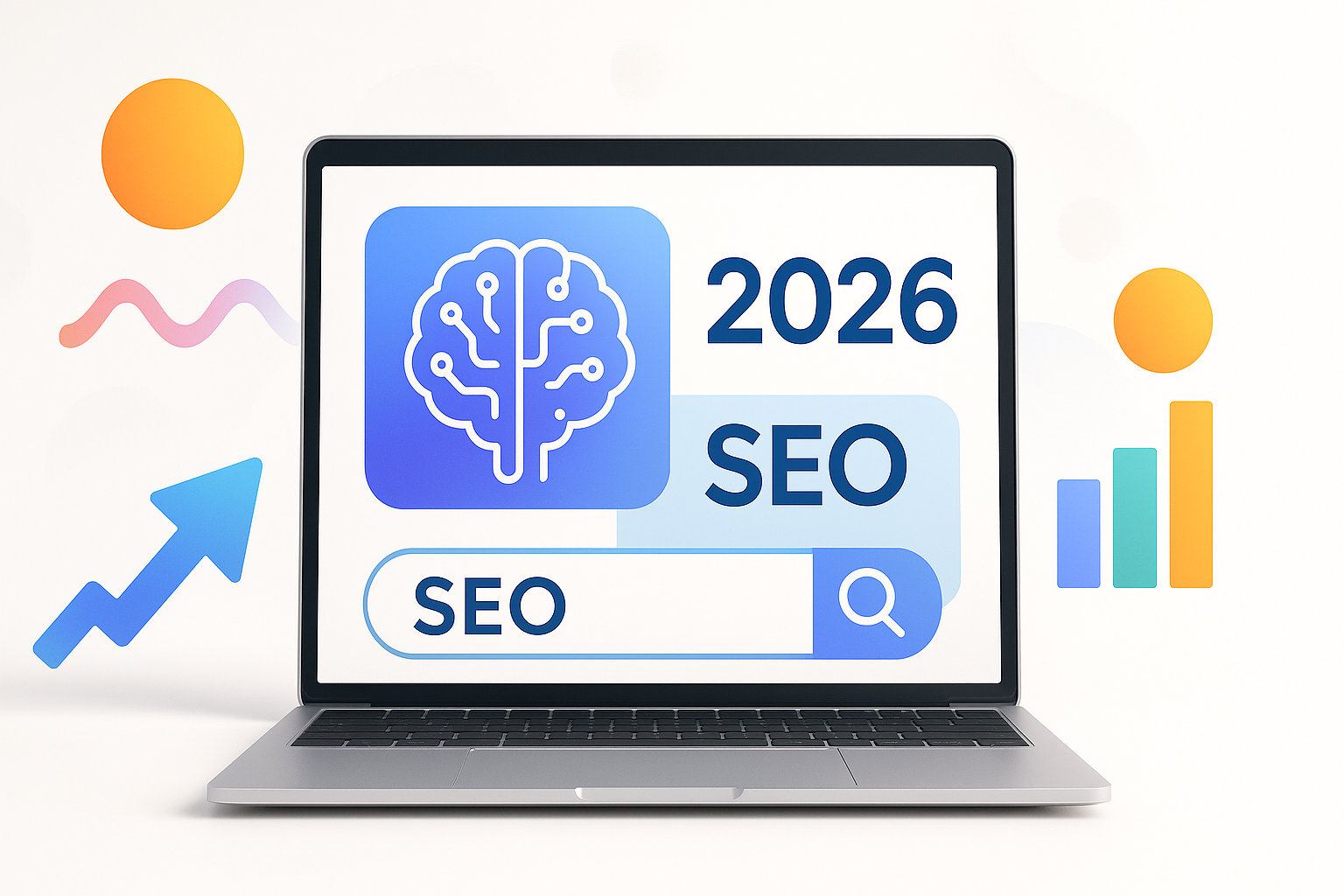
Search engine optimization has transformed dramatically, and the best AI tools for SEO in 2026 are reshaping how digital marketers approach their strategies. Gone are the days of manual keyword research spreadsheets and guessing what content will rank.
Today’s AI-powered platforms can analyze millions of data points in seconds, predict search trends before they peak, and generate content that actually resonates with both search engines and real humans. But with dozens of tools flooding the market, choosing the right ones can feel overwhelming.
This guide cuts through the noise to reveal which AI tools are delivering real results for SEO professionals right now.
Content Creation Tools That Actually Understand Search Intent
Jasper AI remains a powerhouse for SEO content creation, but its 2026 updates have made it significantly smarter about search intent. The platform now analyzes top-ranking pages for your target keywords and suggests content angles that fill gaps in existing results.
What sets Jasper apart is its integration with real-time search data. Instead of generating generic content, it creates pieces that address specific user questions and search behaviors. The tool’s “SEO Mode” can produce comprehensive articles while maintaining natural language flow.
Copy.ai’s SEO Assistant takes a different approach, focusing on content clusters and topic authority. It maps out related keywords and suggests internal linking structures before you even start writing. This forward-thinking approach helps build topical relevance from the ground up.
Both tools have evolved beyond simple text generation. They now understand semantic relationships between concepts, making their content more likely to rank for related search queries.
Keyword Research Gets Smarter with Machine Learning
Traditional keyword tools show you what people searched for last month. AI-powered research tools predict what they’ll search for next month.
Semrush’s Keyword Magic Tool has integrated predictive analytics that identify emerging search trends before they become competitive. The AI analyzes search patterns, social media conversations, and news cycles to spot opportunities early.
Key features that make it valuable:
- Trend prediction algorithms that forecast search volume changes
- Intent classification that groups keywords by user behavior
- Competitive gap analysis powered by machine learning
- Long-tail keyword discovery based on semantic relationships
Ahrefs Keywords Explorer now includes AI-powered difficulty scoring that considers more than just backlink metrics. It analyzes content quality, user engagement signals, and brand authority to give more accurate ranking predictions.
The platform’s “Clicks” metric has become incredibly precise, showing not just search volume but actual click-through potential based on SERP features and user behavior patterns.
Technical SEO Automation That Saves Hours
Manual technical audits are becoming obsolete as AI tools can crawl, analyze, and prioritize issues faster than any human team.
Screaming Frog’s AI-Enhanced Spider now uses machine learning to categorize and prioritize technical issues. Instead of overwhelming you with hundreds of minor problems, it focuses on issues that actually impact rankings and user experience.
The tool’s new features include:
- Automated fix suggestions with implementation instructions
- Performance impact scoring for each identified issue
- Integration with Google Search Console for validation
- Predictive analysis of how fixes will affect rankings
DeepCrawl Pro has evolved into a comprehensive technical SEO platform that monitors site health continuously. Its AI algorithms learn your site’s normal patterns and alert you to anomalies that could signal problems.
What makes it particularly useful is its ability to correlate technical issues with traffic changes, helping you understand which problems actually matter for your rankings.
Competitive Analysis Through AI Pattern Recognition
Understanding competitor strategies has become more sophisticated with AI tools that can identify patterns humans might miss.
SpyFu’s AI Competitor Intelligence doesn’t just show you competitor keywords. It analyzes their content strategies, identifies their most successful pages, and predicts their next moves based on historical patterns.
The platform’s strength lies in its ability to reverse-engineer successful competitor campaigns and suggest similar strategies for your niche.
SimilarWeb’s Market Intelligence uses AI to analyze competitor traffic sources, user behavior, and conversion funnels. This deeper insight helps you understand not just what competitors are doing, but why their strategies work.
Link Building Intelligence and Outreach Automation
AI has revolutionized link building by making prospecting and outreach more targeted and effective.
Pitchbox’s AI Outreach Assistant analyzes successful email campaigns to improve your outreach messaging. It suggests personalization elements, optimal sending times, and follow-up sequences based on recipient behavior patterns.
The platform’s link prospecting AI evaluates potential link partners not just on domain authority, but on relevance, linking patterns, and likelihood to respond positively.
BuzzStream’s Relationship Management AI tracks all your outreach interactions and suggests the best approaches for different types of prospects. It learns from successful campaigns to improve future outreach effectiveness.
Performance Monitoring with Predictive Analytics
Modern SEO tools don’t just report what happened—they predict what’s coming next.
Google Search Console Insights now includes AI-powered trend analysis that identifies unusual patterns in your search performance. While not a third-party tool, its integration capabilities make it valuable when combined with other platforms.
Rank Ranger’s AI Analytics goes beyond basic rank tracking to provide insights about ranking volatility, competitor movements, and algorithm update impacts. Its predictive models help you anticipate ranking changes before they happen.
Choosing the Right AI SEO Tools for Your Needs
The effectiveness of these tools depends heavily on your specific situation and expertise level.
For beginners, start with comprehensive platforms like Semrush or Ahrefs that offer multiple AI-enhanced features in one package. These provide good value and reduce the learning curve.
Experienced practitioners often benefit from specialized tools that excel in specific areas. Combining Jasper for content creation, Screaming Frog for technical audits, and Pitchbox for link building can create a powerful toolkit.
Consider your budget carefully. Many AI SEO tools have premium pricing, but the time savings and improved results often justify the investment for businesses serious about search visibility.
The Future Landscape of AI-Driven SEO
As search engines become more sophisticated, the best AI tools for SEO in 2026 are those that can adapt and evolve with changing algorithms. Tools that focus on understanding user intent and creating genuinely helpful content will continue to deliver results.
The most successful SEO professionals are those who use AI to enhance their expertise rather than replace it. These tools excel at data analysis and pattern recognition, but human insight remains crucial for strategy and creativity.
Choose tools that align with your specific goals, integrate well with your existing workflow, and provide clear ROI. The AI SEO landscape will continue evolving rapidly, so flexibility and continuous learning remain your best advantages.
