

What Makes a Website Actually Work Behind the Scenes
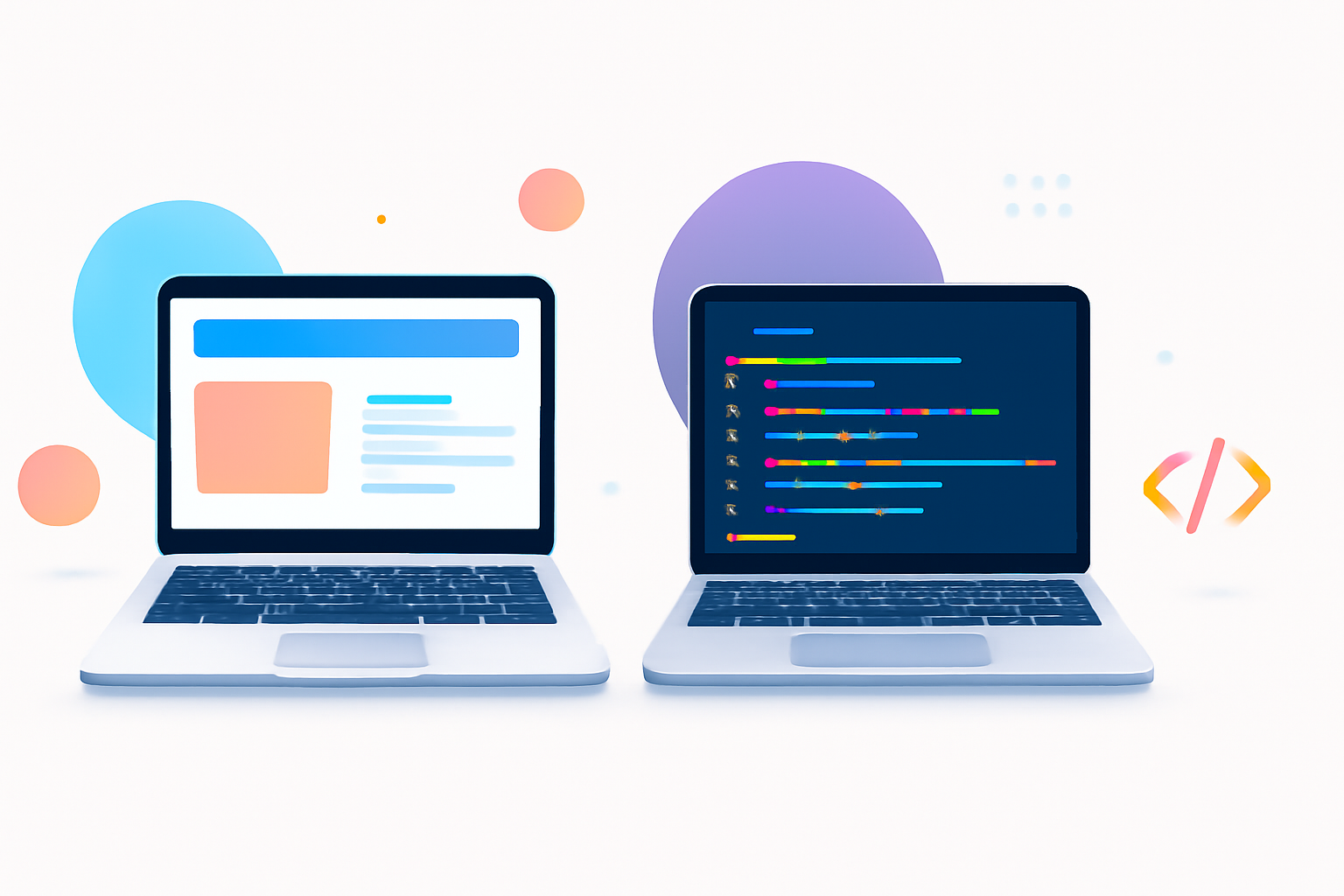
Every time you click a button on a website, scroll through a social media feed, or make an online purchase, you’re witnessing the seamless collaboration between two distinct worlds of web development. The difference between front end and back end development lies in where the magic happens—what you can see and interact with versus the invisible machinery that powers everything behind the scenes.
Think of it like a restaurant. The front end is the dining room where customers sit, the beautifully plated food, and the friendly waitstaff. The back end is the kitchen, the inventory management system, and all the coordination that happens out of sight to deliver your meal.
Both sides are essential, but they require completely different skill sets, tools, and mindsets. Understanding these differences can help you choose a career path, hire the right developers, or simply appreciate the complexity behind your favorite apps.
Front End Development: Creating What Users Experience
Front end developers are the architects of user experience. They transform design mockups into interactive websites and applications that people can actually use. Their work is immediately visible—every button, animation, form, and visual element you interact with online.
The core technologies that front end developers master include HTML for structure, CSS for styling, and JavaScript for interactivity. Modern front end development has evolved far beyond these basics, incorporating frameworks like React, Vue.js, and Angular that help build complex, dynamic applications.
What Front End Developers Actually Do
A typical day for a front end developer involves translating design concepts into code. They might spend hours perfecting the way a navigation menu transitions between mobile and desktop views, ensuring forms validate user input properly, or optimizing images to load faster on slower connections.
Front end developers constantly think about user experience. They consider questions like: How quickly does this page load? Is this button obvious enough? Can someone with a visual impairment navigate this interface easily? Will this work on an older smartphone?
Their responsibilities often include:
- Building responsive layouts that work across all devices
- Implementing interactive features like dropdown menus and image carousels
- Optimizing website performance and loading speeds
- Ensuring accessibility for users with disabilities
- Collaborating with designers to bring visual concepts to life
- Testing across different browsers and devices
Back End Development: The Engine Under the Hood
While front end developers focus on what users see, back end developers build the invisible infrastructure that makes websites actually function. They create the server logic, databases, and APIs that store information, process requests, and deliver the right content to users.
When you log into your email account, a back end system verifies your credentials. When you search for products on an e-commerce site, back end code queries databases and returns relevant results. When you upload a photo to social media, back end processes handle file storage, image processing, and updating your profile.
The Technical Foundation of Back End Work
Back end developers work with server-side programming languages like Python, Java, PHP, Ruby, or Node.js. They design databases using systems like MySQL, PostgreSQL, or MongoDB. They configure servers, set up hosting environments, and ensure everything runs smoothly under heavy traffic.
Security is a major concern in back end development. These developers implement authentication systems, protect against cyber attacks, and ensure sensitive data remains encrypted and secure. They also focus heavily on performance, making sure applications can handle thousands of simultaneous users without crashing.
Common back end development tasks include:
- Creating APIs that connect different software systems
- Designing and managing databases to store application data
- Implementing user authentication and authorization systems
- Setting up payment processing and e-commerce functionality
- Optimizing server performance and managing hosting infrastructure
- Building content management systems for non-technical users
Key Differences Between Front End and Back End Approaches
The mindset required for front end versus back end development differs significantly. Front end developers think visually and focus on user interaction, while back end developers think systematically about data flow and server architecture.
| Aspect | Front End | Back End |
| Primary Focus | User experience and visual design | Server logic and data management |
| Main Technologies | HTML, CSS, JavaScript, React, Vue | Python, Java, PHP, databases, servers |
| Problem Solving | How to make interfaces intuitive and attractive | How to process data efficiently and securely |
| Testing Methods | Visual testing across browsers and devices | Unit testing, integration testing, load testing |
| Performance Concerns | Page load speed, animation smoothness | Server response time, database optimization |
How Front End and Back End Developers Collaborate
Modern web development requires constant communication between front end and back end teams. They must agree on data formats, API endpoints, and how information flows between the user interface and server systems.
For example, when building a shopping cart feature, front end developers need to know exactly what data the back end can provide—product details, prices, inventory levels. Back end developers need to understand what information the front end requires and in what format.
This collaboration often happens through API documentation, shared project management tools, and regular team meetings where both sides discuss technical requirements and constraints.
Full Stack Development: Bridging Both Worlds
Some developers choose to specialize in both front end and back end technologies, becoming “full stack” developers. These professionals can handle entire web projects independently, understanding how all the pieces fit together.
Full stack developers offer versatility, especially valuable for startups and smaller companies that need people who can wear multiple hats. However, the trade-off often means less deep expertise in any single area compared to specialists who focus exclusively on front end or back end work.
The choice between specialization and full stack development often depends on career goals, company size, and personal interests in either user-facing design or system architecture.
Which Path Matches Your Interests and Skills
Choosing between front end and back end development often comes down to what energizes you most. Do you get excited about creating beautiful, intuitive interfaces that delight users? Front end development might be your calling.
Are you more interested in solving complex logic puzzles, optimizing system performance, and building robust data architectures? Back end development could be the perfect fit.
Front end development tends to attract people who enjoy:
- Visual design and creative problem solving
- Immediate feedback on their work
- Staying current with design trends and user experience research
- Working closely with designers and product teams
Back end development often appeals to those who prefer:
- Systematic thinking and logical problem solving
- Working with data and complex algorithms
- Building scalable, efficient systems
- Security and performance optimization challenges
The Future of Front End vs Back End Specialization
Technology continues evolving rapidly, blurring some traditional boundaries. Front end developers increasingly work with complex state management and real-time data, while back end developers adopt more visual tools and automated deployment systems.
Cloud computing platforms now handle much of the server management that back end developers once did manually. Meanwhile, front end applications have become more sophisticated, sometimes handling logic that previously lived on servers.
Despite these changes, the core difference between front end and back end development remains clear: one focuses on user interaction and experience, while the other handles data processing and system architecture. Both skill sets remain essential for creating the web applications we use daily.
Whether you’re considering a development career, planning a web project, or simply curious about how websites work, understanding these distinct but complementary roles helps appreciate the complexity and collaboration required to build modern digital experiences.
