

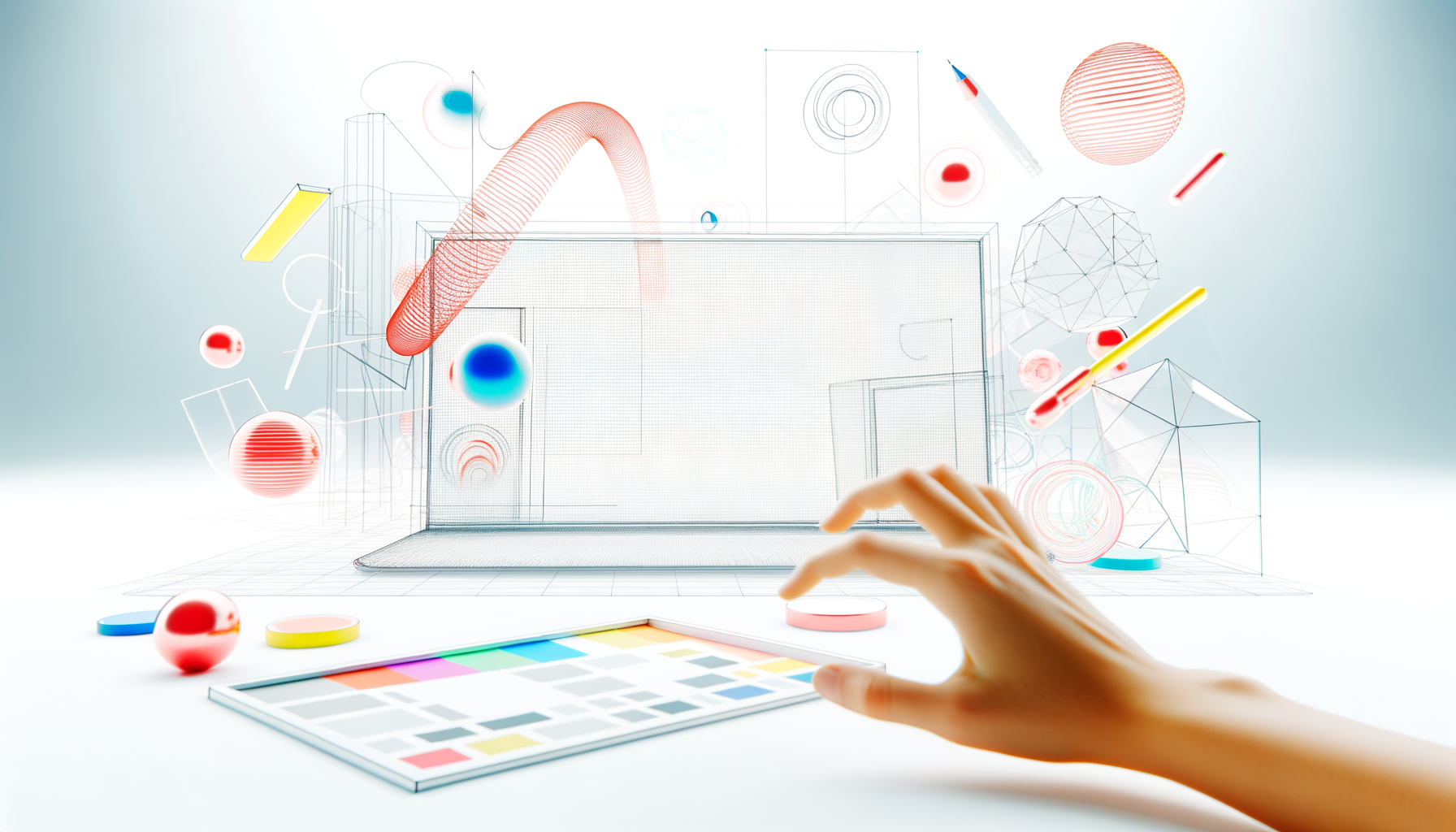
High fidelity wireframes are detailed blueprints that show exactly how a website or app will look and work. These wireframes include real colors, fonts, images, and interactive elements. They bridge the gap between simple sketches and the final product. Unlike basic wireframes that show only structure, high fidelity wireframes give clients and teams a clear picture of the end result. They help everyone understand the design before developers start coding. This saves time and money by catching problems early. Whether you’re building a website or mobile app, these detailed wireframes make the design process smoother and more successful.
What Are High Fidelity Wireframes and Why They Matter
High fidelity wireframes are detailed visual guides that show what your website or app will look like when finished. Think of them as a movie preview for your digital product. They include actual colors, real text, proper fonts, and working buttons.
These wireframes matter because they prevent costly mistakes. When everyone sees exactly what the final product will look like, there are fewer surprises later. Clients can approve designs with confidence. Developers know exactly what to build. This clarity reduces back-and-forth changes that waste time and money.
High fidelity wireframes also help with user testing. You can show them to real users and get feedback before spending money on development. This means you can fix problems when they’re cheap to solve, not expensive.
Key Elements That Make Wireframes High Fidelity
Several important features separate high fidelity wireframes from simple sketches. Understanding these elements helps you create better wireframes that serve your project well.
Visual Design Components
High fidelity wireframes include real visual elements:
- Actual colors from your brand palette
- Real fonts and text sizes
- Proper spacing and alignment
- Icons and images in their final positions
- Buttons that look clickable
Interactive Elements
These wireframes often include working parts. Buttons might actually click. Menus might drop down. Forms might let you type. This interactivity helps people understand how the final product will behave. It’s like taking a test drive before buying a car.
Content Structure
Instead of placeholder text like “Lorem ipsum,” high fidelity wireframes use real content. This shows how actual headlines, descriptions, and calls-to-action will fit. Real content reveals spacing issues and helps refine the layout.
When to Use High Fidelity Wireframes in Your Design Process
Timing matters when creating high fidelity wireframes. Use them at the right moment to get maximum value from your effort.
Create these detailed wireframes after you’ve finished low fidelity sketches and user flow diagrams. This usually happens in the middle of the design process. You’ve already worked out the basic structure and navigation. Now you need to show stakeholders what everything will actually look like.
High fidelity wireframes work best for complex projects with multiple stakeholders. If you’re building a simple website with just a few pages, you might skip them. But for e-commerce sites, web applications, or mobile apps, they’re essential.
They’re also crucial when working with clients who struggle to visualize the final product from basic sketches. Some people need to see the real thing before they can give useful feedback. High fidelity wireframes solve this problem perfectly.
Use them before starting development but after major design decisions are settled. This prevents wasting time on detailed work that might get thrown away if fundamental changes are needed.
Step-by-Step Process for Creating Effective High Fidelity Wireframes
Creating high fidelity wireframes follows a clear process. Following these steps helps ensure your wireframes serve their purpose and move your project forward.
Preparation Phase
Before you start designing, gather everything you need:
- Collect all approved low fidelity wireframes
- Gather brand guidelines including colors and fonts
- Compile real content for major pages
- Choose your wireframing tool
- Review user requirements and feedback
Design and Build Phase
Now start building your detailed wireframes:
- Start with your most important page (usually the homepage)
- Apply your brand colors and fonts
- Replace placeholder content with real text
- Add proper spacing and alignment
- Include interactive elements like hover states
- Test the wireframe on different screen sizes
Work systematically through each page. Don’t jump around randomly. Complete one page fully before moving to the next. This helps maintain consistency across your wireframes.
Tools and Best Practices for High Fidelity Wireframe Success
The right tools and techniques make creating high fidelity wireframes much easier. Here are proven approaches that save time and produce better results.
Popular tools include Figma, Sketch, Adobe XD, and Axure RP. Figma works well for teams because multiple people can work on the same file. Sketch is popular among Mac users. Adobe XD integrates well with other Adobe products. Choose based on your team’s needs and budget.
Follow these best practices for better wireframes:
- Keep files organized with clear naming conventions
- Use a style guide to maintain consistency
- Create reusable components for common elements
- Include notes explaining complex interactions
- Version your files so you can track changes
Test your wireframes with real users before moving to development. Set up simple click-through tests to see if people understand your navigation and find what they need. This feedback helps you refine the design while changes are still easy to make.
Remember that high fidelity wireframes should look polished but don’t need to be pixel-perfect. Save the fine-tuning for the actual design phase. Focus on getting the big picture right first.
Transform Your Web Design Process Today
High fidelity wireframes are powerful tools that can dramatically improve your web design projects. They help teams communicate better, catch problems early, and deliver results that match client expectations. By showing exactly what the final product will look like, they eliminate guesswork and reduce costly changes later in the process.
Start incorporating high fidelity wireframes into your next web design project. Begin with your most important pages and focus on clear communication rather than perfect pixels. Your clients, developers, and users will thank you for the clarity these detailed wireframes provide.
Ready to create wireframes that actually work? Download a wireframing tool today and start building better websites through better planning.
