

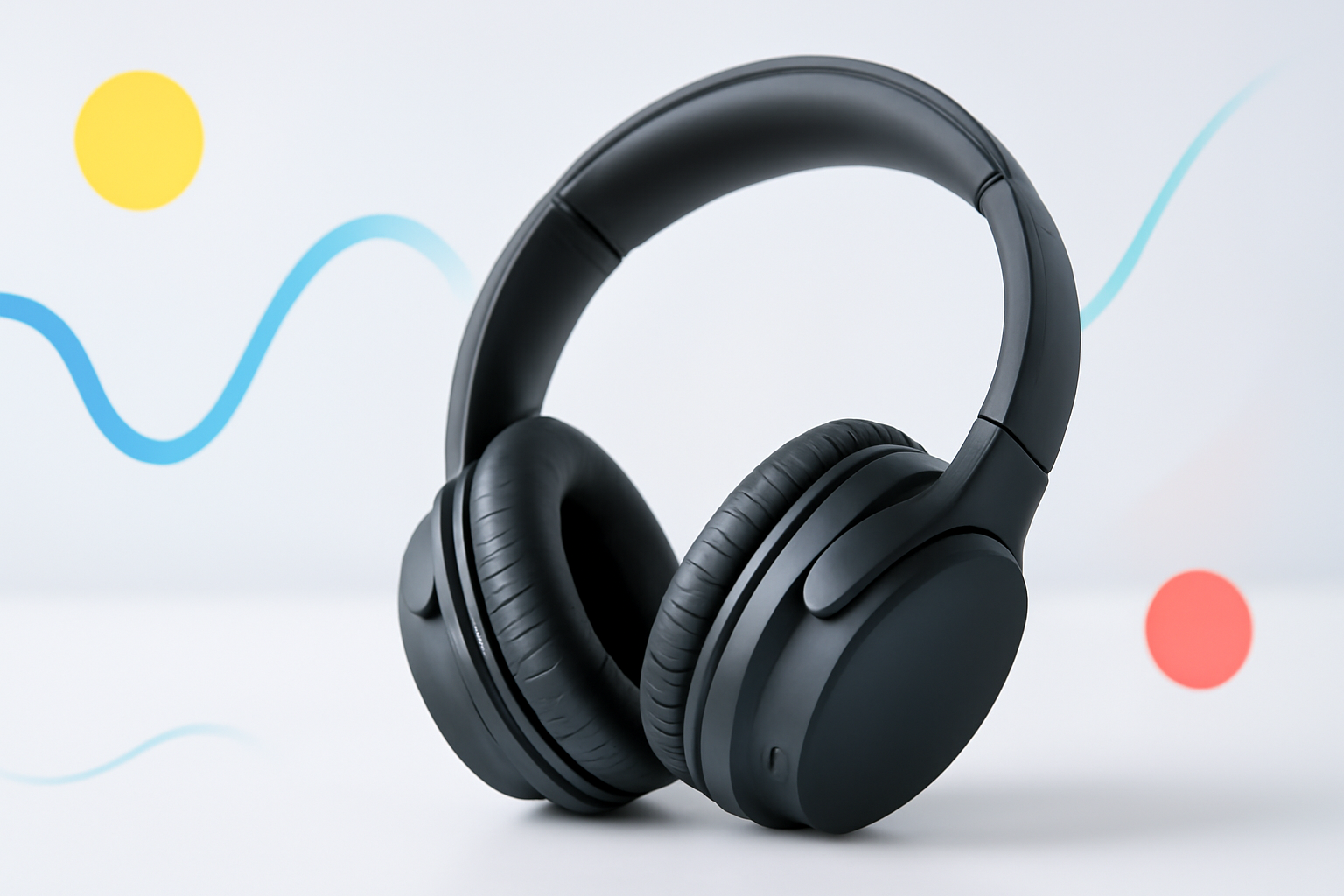
Good Noise Cancellation Doesn’t Have to Cost a Fortune
There’s a common assumption that you need to spend $300 or more to get headphones that actually block out the world. That’s simply not true anymore. The gap between premium and budget active noise cancellation has narrowed dramatically over the past few years, and there are genuinely impressive options sitting well under the $100 mark.
Whether you’re dealing with a noisy open-plan office, a loud commute, or just a household that never seems to quiet down, the right pair of headphones can make a real difference. The challenge is cutting through the marketing noise (pun intended) to find something that actually delivers.
This breakdown covers the best noise cancelling headphones under $100 that are worth your money — along with what to look for, what to ignore, and a few things most buyers don’t think to check before purchasing.
Top Picks Worth Considering
Rather than padding this list with mediocre options, here are five headphones that consistently earn strong real-world reviews and offer solid value without the inflated price tag.
Anker Soundcore Q45
Anker has quietly become one of the most trusted names in budget audio, and the Q45 is a good example of why. It features hybrid active noise cancellation, which uses both inward and outward microphones to detect and suppress ambient sound — a feature you’d normally expect at a higher price point.
Battery life is exceptional at around 50 hours with ANC off, and still a respectable 40 hours with it on. The sound profile leans slightly warm and bass-forward, which suits music and podcasts well. Call quality is above average for the price range.
Sony ZX770BN
Sony’s budget noise cancelling line doesn’t get nearly enough attention. The ZX770BN delivers reliable noise reduction for commuting environments — think train noise, air conditioning hum, and moderate office chatter. It won’t compete with the WH-1000XM5 on raw ANC performance, but it’s genuinely effective for what most people need day to day.
Comfort is decent for extended wear, and the foldable design makes it easy to toss in a bag. Sound quality is balanced and clear, not artificially boosted in the low end like some competitors at this price.
Anker Soundcore Q35
The older sibling to the Q45, the Q35 still holds up well and often drops below $60 on sale. It offers multiple ANC modes — transport, outdoor, and indoor — which is a thoughtful feature that adjusts the level of noise cancellation based on your environment.
The over-ear fit creates a solid passive seal in addition to the active cancellation, which helps in situations where electronic noise reduction alone isn’t enough. Battery life sits around 40 hours, and the headphones support multipoint Bluetooth — meaning you can connect to two devices simultaneously.
Jabra Evolve2 30 (wired, for office use)
If you work from home or at a desk and want noise cancellation focused on voice and call quality rather than music, the Jabra Evolve2 30 is worth a look. It’s wired, which some people prefer for reliability, and the passive noise isolation combined with call-focused tuning makes it excellent for video calls and virtual meetings.
This isn’t a lifestyle headphone for walking around — it’s built for productivity. But in that specific context, it outperforms most wireless options in the same price range.
EarFun Wave Pro
A newer option from EarFun, the Wave Pro surprised a lot of reviewers with its ANC performance relative to its price. It uses a 40mm driver with a diaphragm designed to minimize distortion at high volumes, and the noise cancellation is strong enough to meaningfully reduce ambient hum and low-frequency noise.
The transparency mode — which lets outside sound in through the microphones — works well, a feature that often feels tacked-on at this price but actually functions here. Comfortable padding and a lightweight frame make it easy to wear for several hours.
How to Actually Compare Noise Cancelling Headphones at This Price
Specs can be misleading in this category. A headphone listing “active noise cancellation” on the box might reduce ambient sound by 15 decibels or by 5 — there’s no standardized rating system that consumers can rely on. Here’s what to actually pay attention to:
- Hybrid vs. feedforward ANC: Hybrid ANC uses microphones on both the inside and outside of the earcup. It’s more effective and more expensive to implement. Budget models often use single-mic feedforward designs, which are less adaptive.
- Passive isolation: How well the physical ear cups block sound matters as much as the electronics. A tight over-ear seal can block 15–20dB on its own before ANC even kicks in.
- ANC modes: Multiple modes (like the Q35’s transport/outdoor/indoor settings) give you flexibility. Single-mode ANC tends to be optimized for one environment and less effective elsewhere.
- Battery drain with ANC on: ANC pulls power. Some headphones advertise long battery life but drop significantly when ANC is enabled — always check the “ANC on” figure specifically.
- Latency: If you use headphones for video content or gaming, wireless audio delay can be noticeable. Look for support for aptX Low Latency or check reviews that specifically mention sync issues.
Comparing the Top Options Side by Side
| Headphone | ANC Type | Battery (ANC on) | Multipoint | Best For |
| Anker Q45 | Hybrid | ~40 hrs | Yes | All-day use, travel |
| Sony ZX770BN | Feedforward | ~20 hrs | No | Commuting, general use |
| Anker Q35 | Hybrid | ~35 hrs | Yes | Multi-environment use |
| Jabra Evolve2 30 | Passive | Wired | N/A | Calls, office work |
| EarFun Wave Pro | Hybrid | ~38 hrs | Yes | Music, long sessions |
Things Most Buyers Overlook
It’s easy to get pulled toward the option with the most features on paper, but a few practical considerations tend to matter more once you’re actually using the headphones every day.
Fit and clamping pressure
ANC effectiveness drops sharply if there’s a poor seal around your ears. Glasses wearers in particular often find that even the best active noise cancellation underperforms because the frame breaks the seal. Look for models with thick, soft memory foam padding that can conform around frames without creating uncomfortable pressure.
App support and EQ customization
Some headphones in this price range come with companion apps that let you adjust EQ settings, switch between ANC modes, or check battery levels. The Anker Soundcore app, for example, is genuinely useful and free. This kind of software support can extend the usable life of a headphone significantly.
Call microphone quality
If you take calls regularly, test this specifically. Many budget headphones are tuned for music playback but have poor microphone pickup or struggle to suppress background noise during calls. Reviews that mention call quality in noisy environments are worth seeking out before buying.
Codec support
Bluetooth audio codecs affect sound quality. AAC works well with iPhones. aptX is generally better for Android devices. LDAC offers higher quality but requires both your device and headphone to support it. For most people in this price range, this won’t be the deciding factor — but if audio fidelity matters to you, it’s worth checking.
A Realistic Take on What Sub-$100 ANC Can Do
Budget noise cancelling headphones are genuinely good at handling consistent, low-frequency ambient sounds — engine hum, air conditioning, the general buzz of a busy room. They’re less effective against sudden, sharp sounds like a coworker’s laugh or a door slamming.
That’s not a flaw unique to cheap models — it’s just how active noise cancellation works at any price point. The technology is designed for steady-state noise, not impulse sounds. Managing expectations here helps avoid disappointment.
If your main goal is to reduce constant background drone (office HVAC, airplane engines, busy cafes), a $60–$80 pair of headphones with hybrid ANC can get you 80–85% of the way to what a $350 pair delivers. That’s a significant return for the price difference.
The remaining 15–20% difference — that last layer of silence, the finer detail in how well the headphones adapt to sudden noise changes — is where the premium products earn their price. For many people, that margin doesn’t justify tripling the spend.
Which One Should You Actually Buy?
If you want the most versatile option with the best overall performance, the Anker Soundcore Q45 is the easy recommendation. Hybrid ANC, exceptional battery life, multipoint Bluetooth, and strong app support put it ahead of most of the competition at this price.
For budget-conscious buyers who primarily commute, the Sony ZX770BN is reliable and backed by a brand with a long track record in audio. It won’t blow you away, but it won’t let you down either.
If calls and remote work are your priority over music quality, seriously consider the Jabra Evolve2 30. It’s purpose-built for voice, and that focus shows in performance.
The EarFun Wave Pro is the sleeper pick — worth a look if you value music quality and a well-implemented transparency mode alongside solid noise cancellation.
Finding the Best Noise Cancelling Headphones Under $100 Comes Down to Use Case
There’s no single best option that suits everyone. A frequent flyer has different needs than someone working from home, and a commuter on a noisy subway line cares about different things than a student studying in a library.
Start with how and where you’ll actually use the headphones most. That answer narrows the field faster than any spec sheet. From there, the best noise cancelling headphones under $100 aren’t hard to find — they just require a bit more focus than picking whatever shows up first in the search results.
The good news is that the market has never been better at this price point. You’re not making a compromise so much as a smart choice with your money.
