

What Is a Roce Ceremony and Why Does It Matter So Much?
If you’ve ever been invited to a Goan Catholic wedding, chances are you received two invitations — one for the wedding itself, and one for something called the roce ceremony. For the uninitiated, it can feel a little mysterious. What exactly happens at a roce? Why does it take place separately from the wedding? And why do guests often say it’s their favorite part of the entire celebration?
The roce is a pre-wedding ritual deeply rooted in Goan Catholic tradition. It’s intimate, joyful, and emotionally loaded in the best possible way. Think of it as the moment a community wraps its arms around the bride and groom before they step into married life.
The Meaning Behind the Roce
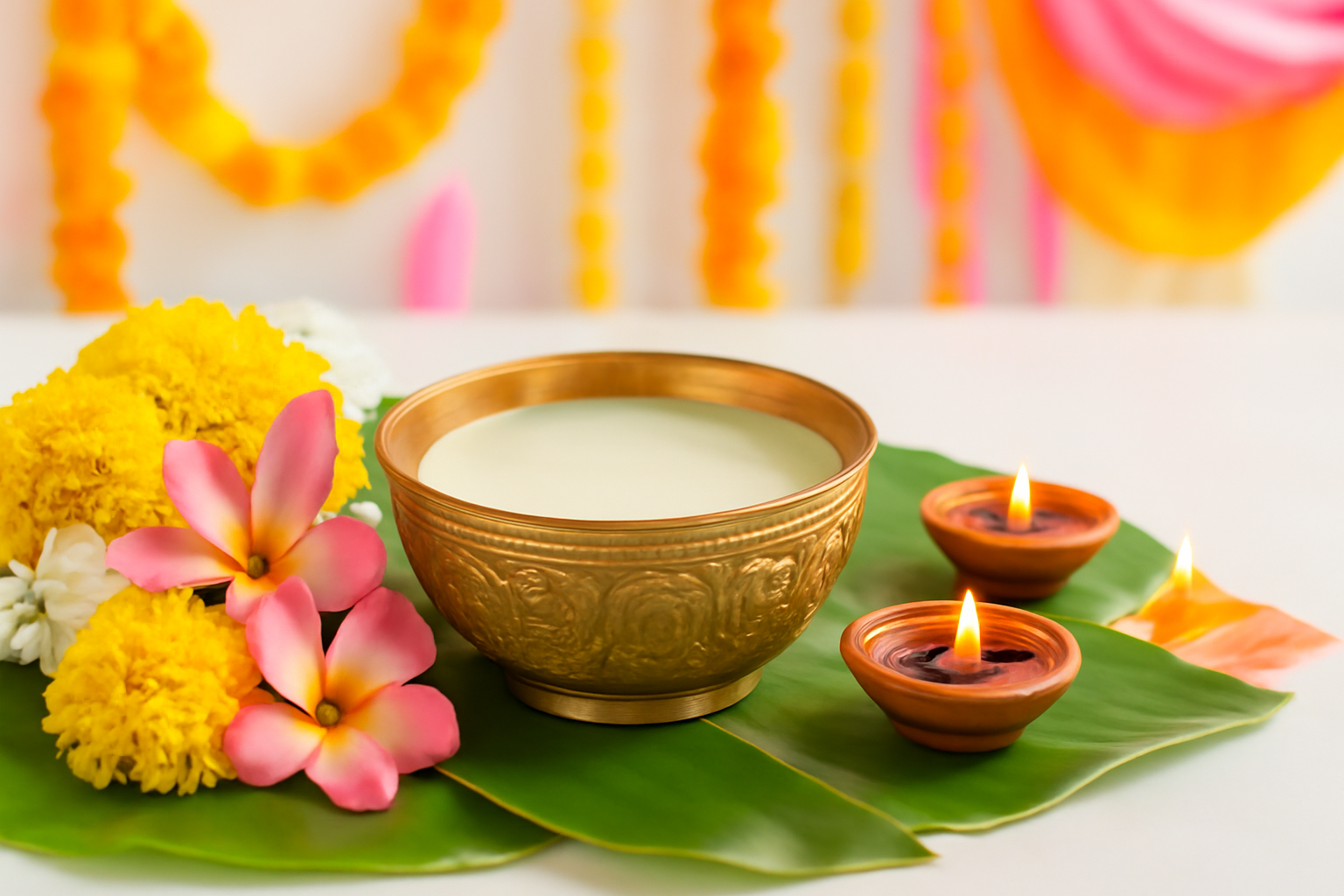
The word “roce” comes from the Konkani word for coconut milk. That tells you almost everything you need to know. At its heart, the ceremony involves applying a mixture of coconut milk, sometimes mixed with turmeric or rose water, to the bride or groom’s hair and skin.
It’s a blessing ritual. The coconut milk is believed to purify and beautify the person receiving it — preparing them spiritually and physically for the sacrament of marriage. In Goan culture, coconut is sacred and central to nearly every important occasion, so its presence here is no coincidence.
The ceremony typically takes place the evening before the wedding, at the homes of both the bride and the groom separately. It’s a family affair, close and personal, before the big public celebration of the next day.
How the Roce Ceremony Unfolds
Every family has its own slight variations, but the general structure tends to follow a familiar rhythm.
Setting the Scene
The house is cleaned and decorated, often with flowers, banana leaves, and traditional earthen lamps. A special chair or seat — sometimes adorned with flowers — is placed for the bride or groom at the center of the space. The atmosphere is warm and informal, nothing like the formal grandeur of the church ceremony.
Guests are family members and close friends. There are no strangers here. Everyone already knows each other, and that shared familiarity makes the whole evening feel genuinely tender.
The Application of Coconut Milk
Family members take turns applying the coconut milk mixture to the seated bride or groom. The order matters — usually elders go first, followed by other relatives and close friends. Each person applies the mixture to the hair and sometimes the face or arms, while offering a blessing or a quiet prayer.
Some families sing traditional Konkani songs throughout this process. These songs, often passed down across generations, add a layer of cultural richness that no playlist could ever replicate.
After the Ritual
Once the application is done, the bride or groom typically has to sit for a while with the coconut milk absorbed into their skin and hair before bathing. The belief is that the coconut milk softens and beautifies — and there’s actually some truth to that. Coconut milk is genuinely nourishing for skin and hair.
The evening then shifts into a celebration. Food is served, drinks are shared, and the mood becomes festive. It’s not unusual for people to dance, tell old family stories, and stay well into the night.
The Role of Music and Konkani Songs
Music is not background noise at a roce — it’s central to the event. Traditional Konkani songs called mando and dulpod are often performed, sometimes by older relatives who still remember the full lyrics.
These songs speak of love, longing, farewell, and hope. Some are sung to the bride by her mother or sisters, expressing emotions that are too big for ordinary conversation. There’s often a moment where the room goes quiet and even the most stoic relatives find themselves blinking back tears.
In more modern roce ceremonies, you might also hear contemporary Konkani pop or even Bollywood songs mixed in. Families adapt the tradition while holding onto its emotional core.
Roce Ceremony vs. Other Pre-Wedding Rituals
It helps to understand where the roce fits when compared to similar rituals across cultures.
| Ritual | Culture | Key Element | Timing |
| Roce | Goan Catholic | Coconut milk application | Day before wedding |
| Haldi | Hindu (various regions) | Turmeric paste | Day before wedding |
| Pithi | Gujarati/Punjabi | Chickpea flour and turmeric | Day before wedding |
| Valaikappu | Tamil | Bangle ceremony, blessings | During pregnancy, not wedding |
What sets the roce apart is its specifically Christian context within a Goan cultural framework. It blends indigenous Konkan traditions with Catholic faith in a way that feels completely natural — because for these communities, faith and culture have always been intertwined.
What to Wear and Bring as a Guest
If you’ve been invited to a roce ceremony, you might be wondering about the etiquette. Here’s what you should know:
- Dress comfortably but respectfully. It’s not a black-tie event. Most guests wear traditional Goan attire or smart casual clothing. Bright colors are welcome — think festive, not formal.
- Bring a small gift if you wish. It’s not obligatory, but many guests bring something practical or sentimental for the couple.
- Be prepared to participate. You may be invited to apply the coconut milk mixture yourself. It’s considered an honor, so don’t shy away from it.
- Arrive on time. Unlike the wedding reception where late arrivals blend in easily, the roce is intimate enough that your presence (or absence) will be noticed.
- Eat heartily. Goan hospitality is legendary, and the food at a roce is often exceptional — bebinca, sorpotel, sannas, and more.
The Emotional Weight of the Evening
Ask anyone who has attended both a roce ceremony and the wedding itself which one moved them more, and you’ll often get a surprising answer. Many say the roce.
There’s something about its smallness that makes it powerful. The wedding is public — a performance of love before the church and community. The roce is private. It’s the family saying, quietly and with their own hands, we bless you, we love you, we’re letting you go.
For the bride especially, the roce can feel like a last evening of being fully her parents’ child before becoming someone’s spouse. That bittersweetness is palpable, and the Konkani songs sung during the ceremony seem specifically designed to hold space for it.
Modern Adaptations of the Roce
Like all living traditions, the roce has evolved. Younger families in Goa and in the diaspora communities of Mumbai, Mangalore, and abroad have found ways to keep it alive while making it their own.
Some changes you might notice today:
- Combined ceremonies: Some families now hold the roce for both bride and groom at the same venue on the same evening, which is more convenient but changes the intimate dynamic slightly.
- Themed decorations: Boho florals, fairy lights, and Instagram-worthy setups have made their way in alongside the traditional banana leaves.
- Professional photography: The roce is now considered just as photographable as the wedding itself, and photographers are often hired specifically for it.
- Destination settings: For diaspora couples getting married in Goa, the roce sometimes becomes part of a multi-day wedding celebration experience for guests traveling from abroad.
None of these changes have diluted the core of the ritual. The coconut milk is still applied, the blessings are still given, and the tears still come when the songs begin.
Why the Roce Ceremony Deserves More Recognition
Goan Catholic culture is relatively niche in the global conversation about wedding traditions, which means the roce doesn’t get nearly the attention that, say, Hindu wedding rituals do in popular media. That’s a shame, because there’s something universally resonant about it.
Every culture has its version of the pre-wedding blessing — a moment where the community pauses to acknowledge the enormity of what’s about to happen. The roce just happens to do it with extraordinary grace, coconut milk, and songs that will make you cry even if you don’t understand the words.
Whether you’re Goan yourself, marrying into a Goan family, or simply a curious guest who wants to show up well-informed, understanding the roce ceremony means understanding something genuine about how love, faith, and community can come together in a single evening.
That’s worth celebrating — before the champagne, before the vows, and before the dance floor opens.
