

The Cultural Phenomenon Behind a Simple Gesture
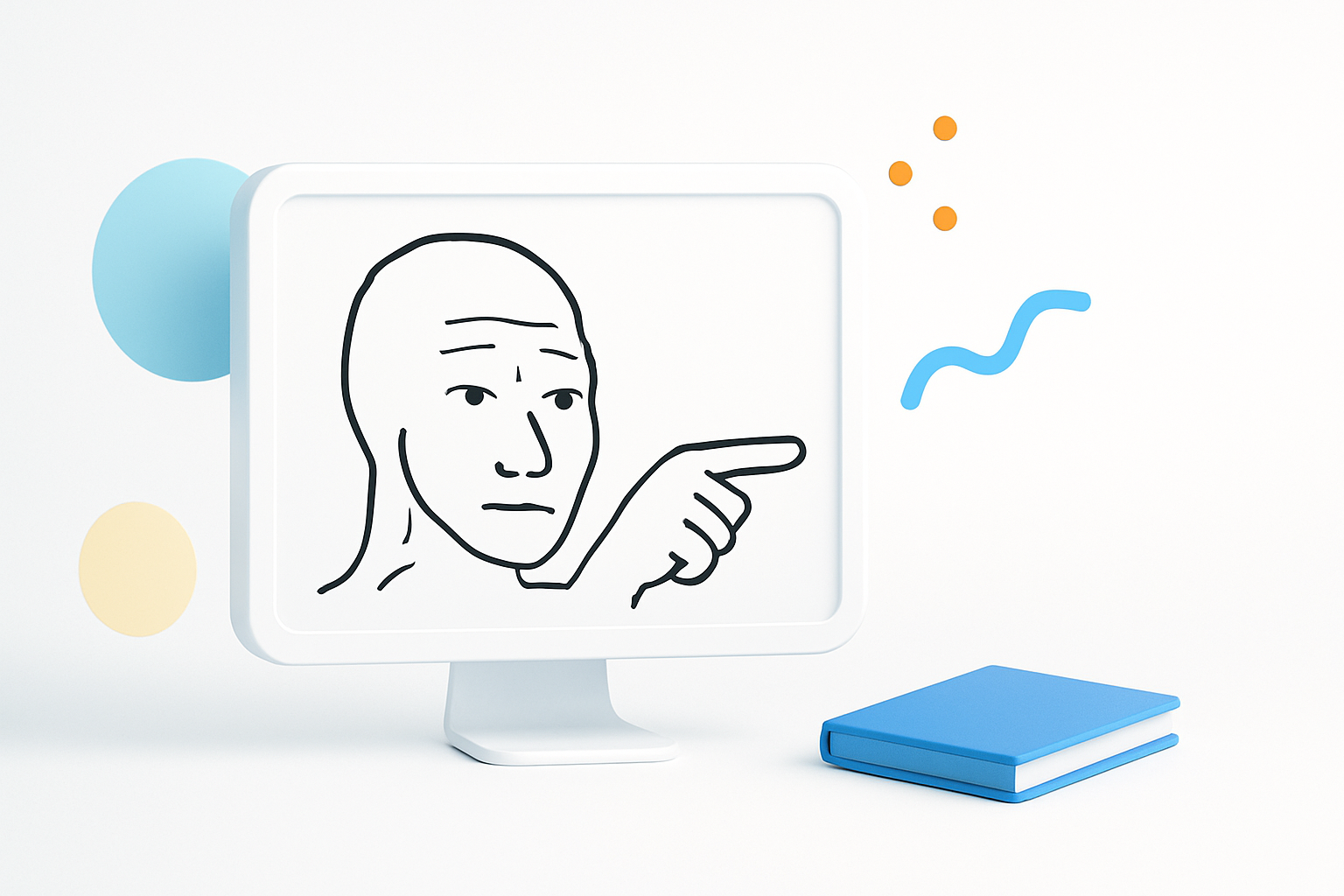
The wojak pointing meme has become one of the internet’s most versatile and recognizable forms of visual communication. This simple image of a crude, hand-drawn figure directing its finger at something has transcended its humble origins to become a powerful tool for commentary, humor, and social observation across digital platforms.
What makes this particular meme so enduring isn’t just its simplicity, but its remarkable ability to convey complex emotions and situations with minimal visual elements. From Reddit threads to Twitter debates, the pointing wojak has found its way into countless conversations, serving as both a reaction image and a standalone statement.
Origins and Early Evolution
The wojak character itself predates the pointing variant by several years. Originally known as “Feels Guy,” wojak emerged from Polish imageboards in the early 2010s before migrating to 4chan and other English-speaking platforms. The character’s name comes from a Polish internet user named “Wojak” who frequently posted the image.
The pointing iteration developed as internet users began creating variations of the original wojak design. Artists and meme creators started adding different expressions, poses, and accessories to the basic template. The pointing gesture emerged as a particularly effective variant because it allowed users to direct attention or blame toward specific targets.
Unlike many internet memes that burn bright and fade quickly, wojak variants have shown remarkable staying power. The pointing version gained traction around 2018-2019 and has maintained relevance through constant adaptation and recontextualization.
Why the Wojak Pointing Meme Resonates
The enduring appeal of this meme format lies in several psychological and cultural factors. First, the crude, almost childlike art style makes it approachable and non-threatening. The simplicity allows viewers to project their own emotions and situations onto the character.
The pointing gesture itself carries universal meaning. Across cultures, pointing serves as a fundamental form of communication that predates language. When wojak points, viewers instinctively understand that attention is being directed somewhere specific.
The meme also taps into common human experiences:
- Frustration with societal issues
- The need to identify problems or contradictions
- Desire to call attention to hypocrisy
- Simple expression of accusation or blame
This emotional versatility has allowed the format to adapt to countless scenarios and remain relevant across different online communities and time periods.
Common Usage Patterns and Contexts
The pointing wojak appears in several distinct contexts, each with its own communicative purpose. Understanding these patterns helps explain why the meme has achieved such widespread adoption.
Political Commentary
Political discourse online frequently features wojak pointing at various targets: politicians, policies, institutions, or opposing viewpoints. The character serves as a visual representation of the poster’s perspective, directing criticism or highlighting perceived problems.
The meme’s crude aesthetic actually enhances its effectiveness in political contexts. The rough, amateur appearance suggests grassroots sentiment rather than polished propaganda, making it feel more authentic to many users.
Social Observation
Beyond politics, the pointing wojak frequently appears in discussions about social trends, cultural phenomena, and behavioral patterns. Users deploy the meme to highlight contradictions, point out irony, or draw attention to overlooked aspects of contemporary life.
Personal Expression
Individuals often use the meme to express personal frustrations or observations. The wojak becomes a stand-in for the poster, allowing them to communicate feelings or opinions in a format that feels less confrontational than direct statement.
Variations and Adaptations
The basic pointing wojak template has spawned numerous variations, each serving slightly different communicative functions. Some popular adaptations include:
- Angry pointing wojak: Features exaggerated facial expressions for more intense accusations
- Soyjak pointing: Combines wojak with “soy boy” stereotypes for specific cultural commentary
- Chad pointing: Uses the “Chad” character design for confident or assertive pointing
- Multiple wojaks: Shows several characters pointing at the same target for emphasis
These variations allow users to fine-tune their message and select the most appropriate emotional tone for their specific context. The flexibility of the format has contributed significantly to its longevity and widespread adoption.
Cultural Impact and Significance
The wojak pointing meme represents more than simple internet humor. It reflects broader patterns in digital communication and modern social interaction. The meme’s success demonstrates how visual language can transcend traditional barriers of education, culture, and even spoken language.
In academic circles, researchers have noted how wojak memes function as a form of folk art, created and shared by ordinary internet users rather than professional artists or media companies. This grassroots nature gives the format a different cultural weight than corporate-produced content.
The meme also reveals something about contemporary discourse patterns. The pointing gesture suggests a culture increasingly focused on identifying problems, assigning blame, and calling attention to issues rather than proposing solutions. This isn’t necessarily negative, but it reflects the participatory nature of modern digital conversation.
Platform-Specific Evolution
Different social media platforms have shaped how the pointing wojak meme appears and functions. On Twitter, the character often accompanies brief, punchy commentary designed for maximum viral impact. Reddit users tend to deploy the meme in longer-form discussions, using it to punctuate detailed arguments or observations.
Discord and other chat platforms see more casual usage, with wojak serving as a quick reaction image or conversation starter. Each platform’s unique culture and technical constraints influence how the meme evolves and what purposes it serves.
The cross-platform nature of wojak’s success also demonstrates how internet culture increasingly operates independently of specific websites or applications. Successful memes migrate freely between platforms, adapting to each environment while maintaining their core communicative function.
Future Prospects and Staying Power
Predicting meme longevity is notoriously difficult, but the wojak pointing format shows several characteristics associated with lasting internet phenomena. Its visual simplicity makes it easy to reproduce and modify. The emotional versatility ensures continued relevance across different topics and time periods.
The meme’s ability to serve both serious and humorous purposes also contributes to its durability. Users can deploy wojak pointing in contexts ranging from lighthearted jokes to earnest political commentary, giving the format broad utility that transcends temporary trends or specific events.
As digital communication continues evolving, visual memes like wojak pointing likely represent an increasingly important form of human expression. The format’s success suggests that simple, adaptable visual languages may become even more crucial as online interaction grows more sophisticated and global.
The wojak pointing meme has earned its place as a significant piece of internet culture, demonstrating how simple visual concepts can capture complex human emotions and social dynamics in the digital age.
