

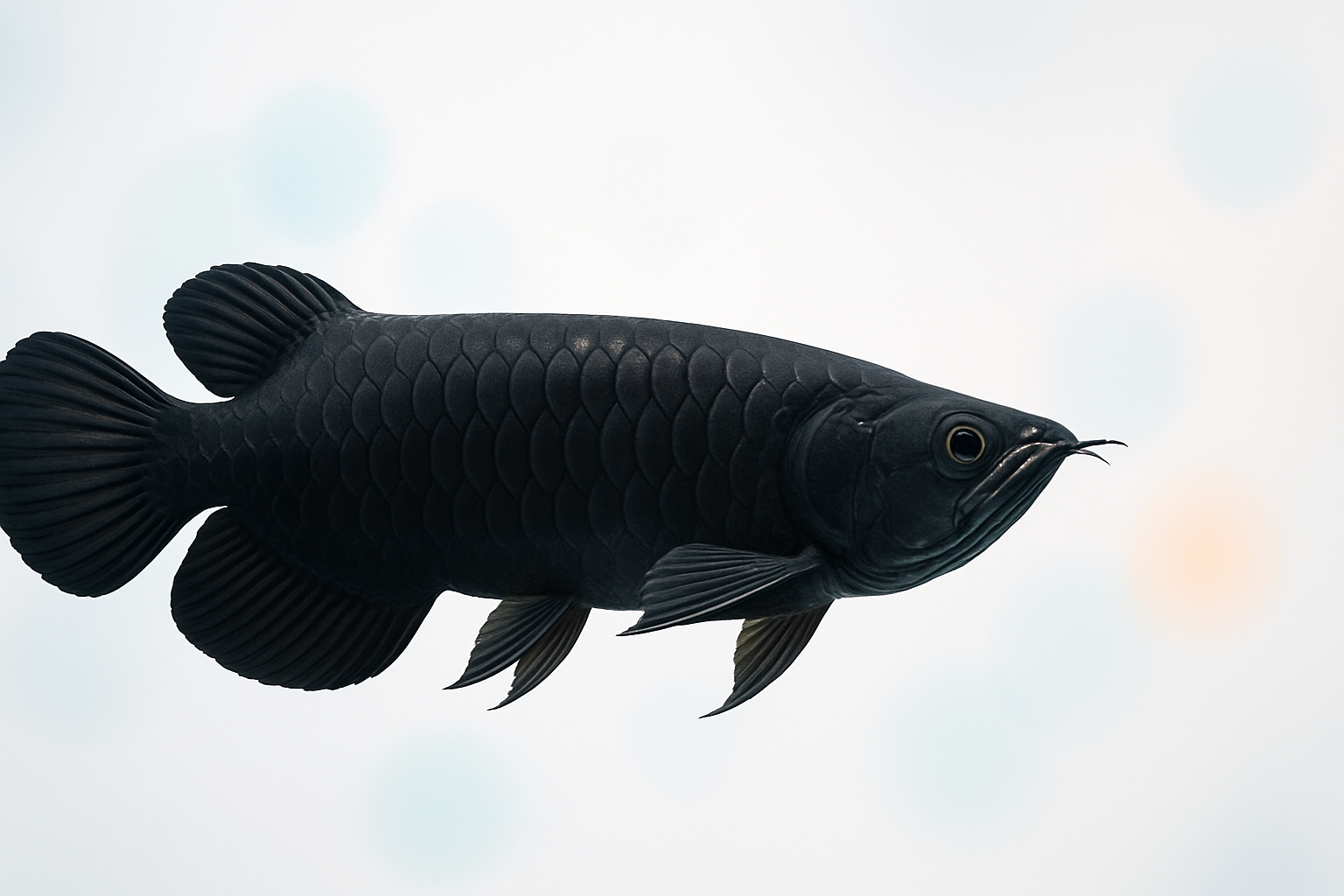
The mysterious pez dragon negro has been making waves in aquarium communities worldwide, captivating fish enthusiasts with its striking appearance and unique characteristics. This remarkable species, also known as the black dragon fish, represents one of the most sought-after additions to specialized aquarium collections.
Recent discoveries and breeding developments have brought this enigmatic creature into the spotlight, sparking intense interest among marine biologists and hobbyists alike. Understanding what makes the pez dragon negro so special requires diving into its fascinating biology, care requirements, and the growing community of dedicated keepers who have unlocked its secrets.
What Makes the Pez Dragon Negro So Unique
The pez dragon negro stands out from conventional aquarium fish through several distinctive features that have earned it almost mythical status among collectors. Its deep black coloration creates an mesmerizing contrast against lighter tank environments, while its elongated fins flow like silk ribbons through the water.
Unlike many ornamental fish species, the black dragon fish displays remarkable intelligence and personality. Owners frequently report recognition behaviors, where their fish actively respond to their presence and even seem to anticipate feeding times. This level of interaction creates a bond that goes far beyond typical fish-keeping experiences.
The species exhibits fascinating color-changing abilities under different lighting conditions. While maintaining its signature black base, subtle iridescent highlights emerge under specific wavelengths, revealing hidden purples, blues, and greens that shimmer across its scales.
Natural Habitat and Origins
Understanding the natural environment of the pez dragon negro provides crucial insights into proper care requirements. These fish originate from deep, shadowy waters in Southeast Asian river systems, where they’ve adapted to low-light conditions and soft, acidic water parameters.
Wild populations inhabit areas with dense vegetation and complex root systems that create natural hiding spots and territorial boundaries. The water in these regions typically maintains temperatures between 76-82°F with pH levels ranging from 6.0 to 6.8.
Seasonal variations in their natural habitat include periods of increased water flow during monsoon seasons, which triggers breeding behaviors and influences their activity patterns. This natural cycle explains why captive specimens often display heightened activity during certain times of the year.
Essential Care Requirements for Black Dragon Fish
Successfully maintaining pez dragon negro requires attention to specific environmental conditions that mirror their natural habitat. The foundation of proper care begins with water quality management and appropriate tank setup.
Tank Setup and Environment
A minimum tank size of 75 gallons provides adequate space for adult specimens, though larger tanks always prove beneficial. The aquarium should include:
- Dense plantings using species like Java fern and Anubias
- Driftwood pieces to create natural hiding spots
- Subdued lighting with areas of complete shade
- Gentle filtration that maintains water movement without creating strong currents
- Fine substrate that won’t damage their delicate barbels
Temperature stability remains critical, with fluctuations of more than 2-3 degrees potentially causing stress. A reliable heater system with backup capability ensures consistent conditions year-round.
Water Parameters and Maintenance
Maintaining optimal water chemistry requires regular monitoring and adjustments. The ideal parameters include:
- Temperature: 78-80°F
- pH: 6.2-6.6
- Hardness: 2-8 dGH
- Ammonia and nitrites: 0 ppm
- Nitrates: Below 20 ppm
Weekly water changes of 25-30% help maintain these parameters while removing accumulated waste products. Using reverse osmosis water mixed with appropriate remineralizers gives precise control over water chemistry.
Feeding and Nutrition Guidelines
The dietary needs of pez dragon negro reflect their carnivorous nature and active hunting instincts. In captivity, they thrive on varied diets that include both prepared and live foods.
High-quality pellets designed for carnivorous fish should form the foundation of their diet. Look for products with whole fish or shrimp as primary ingredients, avoiding fillers like corn or wheat that provide little nutritional value.
Supplemental feeding with live or frozen foods enhances both nutrition and natural behaviors:
- Bloodworms and blackworms for protein variety
- Small feeder fish to trigger hunting responses
- Brine shrimp for younger specimens
- Occasional treats like tubifex worms or daphnia
Feeding frequency should follow a schedule of small meals twice daily rather than single large feedings. This approach mimics natural feeding patterns and reduces waste buildup in the aquarium.
Breeding and Reproduction Insights
Successful breeding of pez dragon negro represents one of the most challenging aspects of keeping this species. Their complex reproductive requirements have only recently been understood through dedicated research by specialized breeders.
Sexual maturity occurs around 18-24 months, with females typically growing larger and developing fuller body shapes. Males display more intense coloration and develop extended fin rays during breeding condition.
Triggering spawning behavior requires simulating natural seasonal changes through gradual temperature adjustments and modified lighting cycles. Many successful breeders report using slight temperature increases combined with increased water changes to mimic monsoon conditions.
The spawning process itself involves elaborate courtship displays where pairs engage in synchronized swimming patterns. Females deposit eggs among fine-leaved plants or specialized spawning mops, with males following to fertilize them immediately.
Common Health Issues and Prevention
Like all aquarium fish, the pez dragon negro faces specific health challenges that require proactive management. Understanding common ailments and their prevention helps ensure long-term success.
Stress-related illnesses top the list of health concerns, often manifesting as loss of appetite, faded coloration, or unusual hiding behavior. Maintaining stable water conditions and avoiding sudden environmental changes provides the best prevention.
Fungal infections can develop when water quality deteriorates or when fish experience injuries. Regular water testing and prompt treatment of any visible symptoms prevents minor issues from becoming serious problems.
Parasitic infections occasionally affect imported specimens, making quarantine procedures essential for any new additions. A separate quarantine tank allows for observation and treatment without risking established aquarium populations.
Market Trends and Availability
The growing popularity of pez dragon negro has created an interesting market dynamic within the aquarium trade. Limited availability from specialized breeders has maintained premium pricing, while increasing demand continues to drive interest in captive breeding programs.
Reputable dealers typically maintain waiting lists for quality specimens, with prices reflecting the intensive care required for successful breeding and raising. Wild-caught specimens have become increasingly rare due to habitat protection efforts and export restrictions.
Regional breeding groups have emerged in several countries, sharing knowledge and genetic stock to improve captive populations. These collaborative efforts help ensure sustainable availability while reducing pressure on wild populations.
The future of pez dragon negro keeping looks promising as breeding techniques improve and more aquarists develop the skills necessary for successful maintenance. This remarkable species continues to reward dedicated keepers with its beauty and fascinating behaviors, cementing its place among the most prized aquarium fish available today.
