

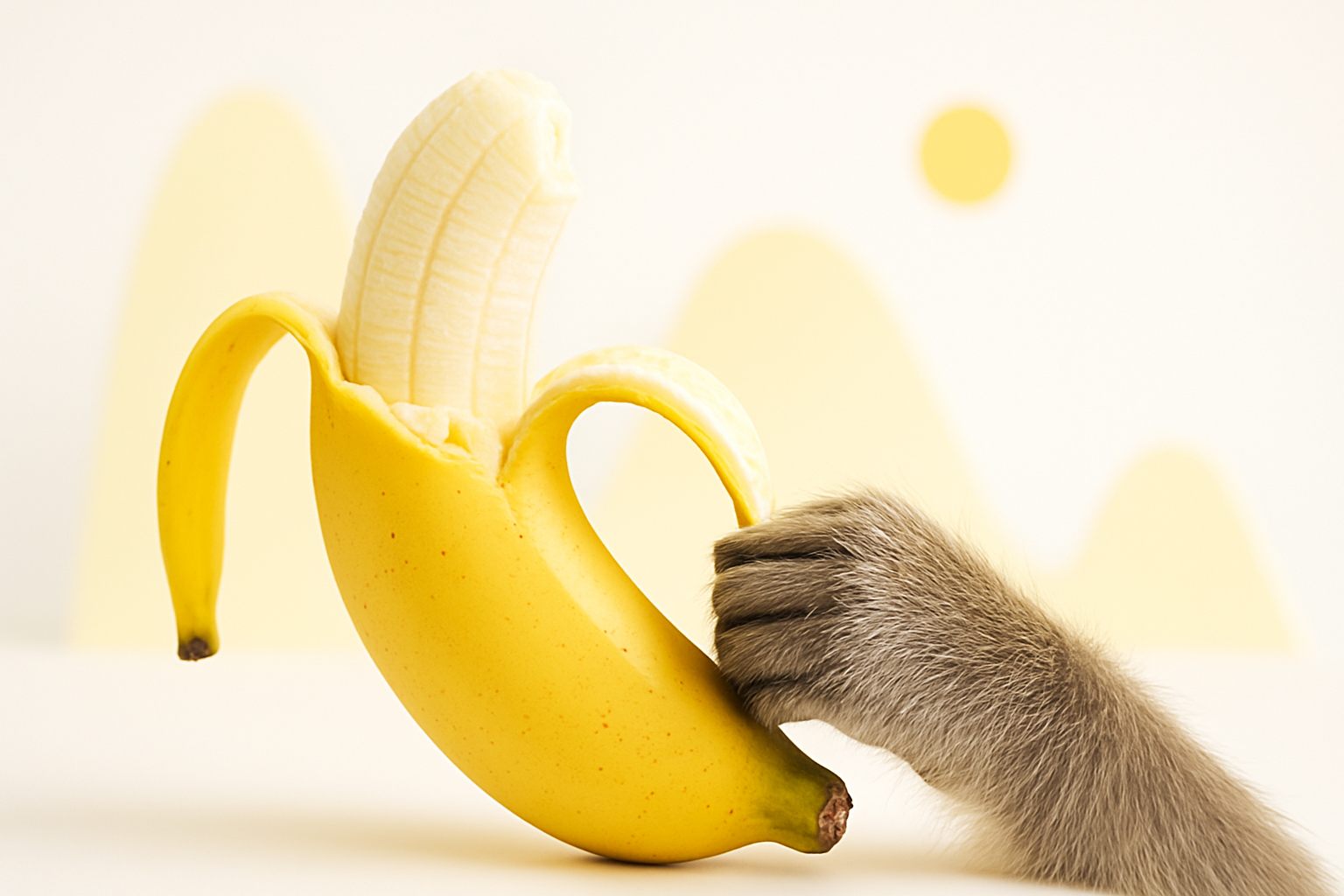
Why Monkeys and Bananas Became Nature’s Most Famous Pair
The sight of monyet makan pisang has captivated humans for centuries, becoming one of nature’s most recognizable dining scenes. But this seemingly simple act reveals a fascinating world of primate behavior, nutritional science, and evolutionary adaptation that goes far deeper than most people realize.
Recent research has challenged many assumptions about monkey dietary habits, revealing surprising truths about when, why, and how different primate species interact with bananas in their natural environments.
The Science Behind Primate Banana Consumption
Monkeys don’t actually eat bananas the way most people imagine. Wild primates rarely encounter the sweet, yellow bananas we see in grocery stores. Instead, they interact with wild banana varieties that are smaller, harder, and often filled with large seeds.
When observing monyet makan pisang in natural settings, researchers have documented several interesting behaviors:
- Monkeys typically peel bananas from the bottom, not the stem end
- They often eat the peel along with the fruit for additional fiber
- Different species show varying preferences for banana ripeness
- Some monkeys use bananas as tools before consuming them
Dr. Sarah Chen, a primatologist at the International Wildlife Research Center, explains: “The relationship between monkeys and bananas is much more nuanced than popular culture suggests. It’s not their preferred food in most habitats.”
Nutritional Benefits for Primates
Bananas provide essential nutrients that support primate health and development. The high potassium content helps regulate their cardiovascular systems, while natural sugars provide quick energy for their active lifestyles.
Wild bananas also contain:
- Vitamin B6 for brain function
- Vitamin C for immune system support
- Dietary fiber for digestive health
- Antioxidants that combat cellular damage
Cultural Impact of Monkeys Eating Bananas
The image of monkeys enjoying bananas has transcended scientific observation to become a cultural phenomenon. From children’s books to viral videos, this behavior captures our imagination and creates lasting connections between humans and our primate relatives.
Social media platforms showcase countless videos of captive primates enjoying bananas, generating millions of views and shares. These clips often highlight the intelligence and personality of individual animals, fostering greater appreciation for primate conservation efforts.
Media Representation vs Reality
Hollywood and popular media have exaggerated the monkey-banana relationship, creating misconceptions about primate dietary preferences. Most wild monkeys actually prefer:
- Leaves and other vegetation (60-80% of diet)
- Insects and small animals (10-20% of diet)
- Fruits including bananas (5-15% of diet)
- Seeds, nuts, and bark (remaining percentage)
This disparity between perception and reality highlights the importance of accurate wildlife education and responsible media representation of animal behavior.
Species-Specific Banana Preferences
Different monkey species exhibit unique approaches to banana consumption, reflecting their evolutionary adaptations and natural habitats.
Macaques and Banana Processing
Macaques demonstrate sophisticated food processing techniques when handling bananas. They often wash the fruit in available water sources and remove any damaged portions before eating. Long-tailed macaques in Southeast Asia have been observed teaching these techniques to their offspring.
Howler Monkey Dietary Patterns
Howler monkeys, primarily leaf-eaters, show less enthusiasm for bananas compared to other species. Their specialized digestive systems are adapted for processing tough vegetation, making sweet fruits like bananas an occasional treat rather than a dietary staple.
Capuchin Monkey Tool Use
Capuchin monkeys often use bananas as tools before consuming them. They’ve been observed using banana peels to clean themselves and employing the fruit to attract insects, which they then eat for additional protein.
| Species | Banana Preference | Processing Method |
| Macaques | High | Washing and careful peeling |
| Howler Monkeys | Low | Simple consumption |
| Capuchins | Medium | Tool use and manipulation |
| Spider Monkeys | High | Selective ripeness testing |
Conservation Implications
Understanding primate feeding behaviors, including monyet makan pisang, plays a crucial role in conservation efforts and habitat preservation. As human development encroaches on natural habitats, many monkey populations face food scarcity and habitat fragmentation.
Conservation programs now incorporate detailed dietary studies to ensure protected areas contain adequate food sources for resident primate populations. This research helps wildlife managers make informed decisions about habitat restoration and species reintroduction programs.
Human-Monkey Conflict
In agricultural regions where bananas are commercially grown, human-monkey conflicts have increased. Monkeys naturally gravitate toward these abundant food sources, leading to crop damage and economic losses for farmers.
Successful mitigation strategies include:
- Creating buffer zones between farms and forest areas
- Implementing monkey-proof storage systems
- Developing alternative income sources for affected communities
- Establishing feeding stations in natural habitats
Behavioral Research Revelations
Recent behavioral studies have uncovered fascinating details about how monkeys select, process, and consume bananas. These discoveries challenge previous assumptions and provide valuable insights into primate intelligence and social structures.
Researchers at the Primate Behavior Institute have documented that monkeys can distinguish between banana varieties by scent alone, often rejecting fruits that appear perfect to human observers but contain subtle chemical markers indicating poor nutritional quality.
Social Learning and Food Preferences
Young monkeys learn banana selection and processing techniques through careful observation of their mothers and other group members. This social learning component ensures that beneficial feeding behaviors are passed down through generations.
Dominant group members often have first access to the best bananas, while subordinate individuals must wait or settle for less desirable fruits. These hierarchical feeding patterns reflect complex social structures within primate communities.
Health and Safety Considerations
While bananas are generally safe for most primate species, captive monkeys face different dietary challenges than their wild counterparts. Zoo nutritionists carefully regulate banana consumption to prevent obesity and dental problems that can arise from excessive sugar intake.
Wild monkeys naturally limit their banana consumption through seasonal availability and competition, but captive animals may overeat if given unlimited access to these sweet fruits.
Veterinary Insights
Veterinarians working with captive primates recommend treating bananas as occasional treats rather than dietary staples. A balanced captive diet should mirror natural feeding patterns, emphasizing vegetables, specially formulated primate pellets, and limited fruit portions.
Signs of excessive banana consumption in captive primates include:
- Rapid weight gain
- Dental decay
- Reduced interest in other foods
- Digestive irregularities
Future Research Directions
Scientists continue investigating the complex relationship between primates and their food sources, including bananas. Emerging research areas include the impact of climate change on fruit availability, the role of gut microbiomes in processing different foods, and the cognitive aspects of food selection and processing.
Advanced tracking technology now allows researchers to monitor wild primate feeding behaviors in unprecedented detail, revealing seasonal patterns and individual preferences that were previously impossible to document.
The simple act of monyet makan pisang continues to provide valuable insights into primate behavior, evolution, and conservation needs. As our understanding deepens, this iconic image serves as a gateway to appreciating the complex lives and needs of our closest animal relatives in an ever-changing world.
