

The Surprising Truth About Mouse Skeletal Systems
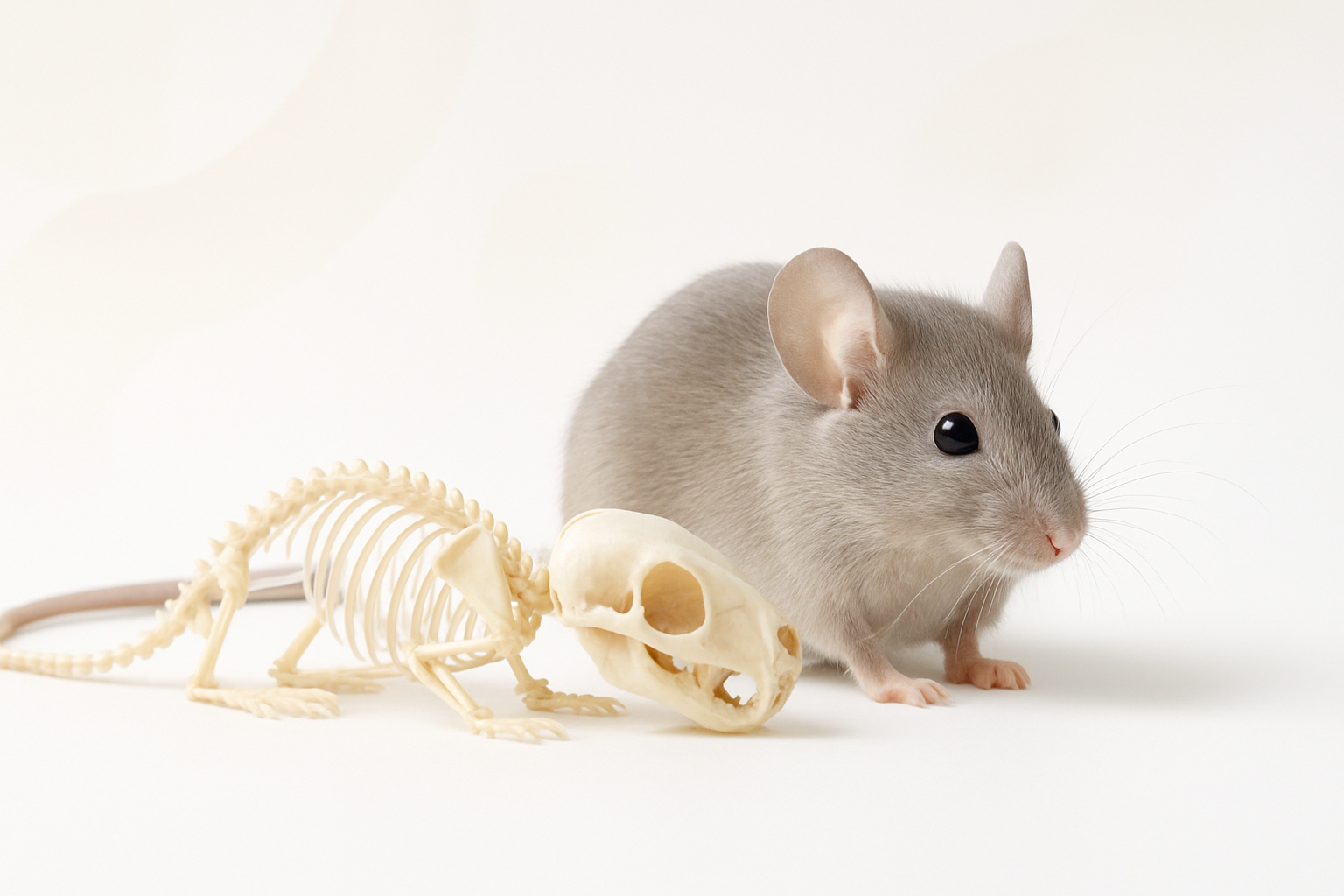
Many people wonder about the internal structure of mice, particularly whether these tiny creatures possess bones like larger mammals. The answer might surprise you: los ratones tienen huesos – mice do indeed have bones, and their skeletal system is far more complex and fascinating than most people realize.
Despite their small size, mice possess a complete skeletal framework that supports their remarkable agility, speed, and survival abilities. Understanding mouse anatomy reveals incredible insights into how these resilient creatures have thrived alongside humans for thousands of years.
Mouse Bone Structure: A Marvel of Miniaturization
Mice possess approximately 230 bones in their bodies, which is surprisingly close to the 206 bones found in adult humans. This extensive skeletal system includes everything from tiny skull bones to flexible vertebrae that make up their distinctive long tails.
The mouse skeleton weighs only about 10-15% of their total body weight, making it proportionally lighter than human bones. This lightweight design contributes to their incredible jumping ability and swift movements when escaping predators.
Key Components of Mouse Skeletal Anatomy
- Skull: Contains multiple small bones protecting the brain and housing their ever-growing teeth
- Spine: Extends into their tail with numerous vertebrae providing flexibility
- Ribcage: Protects vital organs while allowing rapid breathing during activity
- Limbs: Four legs with delicate but strong bones supporting their body weight
- Pelvis: Adapted for their reproductive needs and locomotive functions
Why Los Ratones Tienen Huesos Makes Evolutionary Sense
The presence of bones in mice serves multiple critical functions that have enabled their species to survive and flourish across diverse environments worldwide.
Protection remains the primary function of mouse bones. Their skull safeguards the brain while their ribcage shields vital organs from injury during their frequent encounters with predators and environmental hazards.
Locomotion represents another crucial aspect. Mouse bones provide anchor points for muscles and enable the quick, darting movements that characterize these animals. Their bone structure allows them to squeeze through spaces as small as a pencil width while maintaining structural integrity.
Unique Adaptations in Mouse Bone Design
Mouse bones exhibit several remarkable adaptations that distinguish them from larger mammals:
- Higher bone density relative to body size
- Increased flexibility in spine and tail vertebrae
- Specialized jaw bones accommodating continuously growing incisors
- Lightweight hollow spaces reducing overall skeletal weight
Mouse Bone Development and Growth Patterns
Young mice are born with cartilaginous skeletons that gradually ossify into true bone over their first few weeks of life. This process, called endochondral ossification, mirrors what happens in human development but occurs much more rapidly.
Adult mice reach skeletal maturity around 3-4 months of age. Unlike humans, their bones continue growing throughout their lives, particularly their teeth, which must constantly grow to compensate for continuous grinding and gnawing.
The rapid bone development in mice has made them invaluable subjects for medical research studying bone diseases, fracture healing, and skeletal development disorders.
Comparing Mouse Bones to Other Small Mammals
When examining how mouse skeletal systems compare to other small mammals, several interesting patterns emerge:
| Animal | Approximate Bone Count | Notable Features |
| Mouse | 230 | Flexible tail, specialized teeth |
| Rat | 235 | Larger, more robust bones |
| Hamster | 225 | Compact body structure |
| Rabbit | 215 | Powerful hind leg bones |
These comparisons highlight how each species has evolved specific skeletal adaptations suited to their particular lifestyle and environmental needs.
Common Misconceptions About Mouse Anatomy
Several persistent myths surround mouse skeletal structure that deserve clarification:
Myth: Mice are invertebrates because they’re so flexible.
Reality: Mice are vertebrates with complete spinal columns and complex skeletal systems.
Myth: Mouse bones are too small to be “real” bones.
Reality: Mouse bones contain the same calcium phosphate composition as larger mammal bones.
Myth: Mice can compress their bodies because they lack bones.
Reality: Their flexibility comes from joint mobility and cartilage, not absence of bones.
The Medical Research Connection
The fact that mice possess bones similar in composition to human bones has revolutionized medical research. Scientists study mouse skeletal systems to understand:
- Bone formation and development processes
- Effects of aging on skeletal health
- Genetic factors influencing bone density
- Potential treatments for osteoporosis and fractures
- Impact of nutrition on bone development
Laboratory mice have contributed to breakthrough treatments for bone diseases that now benefit millions of people worldwide.
Practical Implications for Pest Control
Understanding that mice have bones affects how we approach humane pest control methods. Their skeletal structure means:
- They can suffer fractures and injuries like other mammals
- Humane trapping methods should consider their bone structure
- Poison affects their bones and overall skeletal health
- Physical barriers must account for their actual anatomical limitations
This knowledge encourages more thoughtful approaches to managing mouse populations while minimizing unnecessary suffering.
Fascinating Facts About Mouse Skeletal Systems
Mouse bones contain several surprising characteristics that showcase nature’s ingenuity:
Their tail contains approximately 60-70 vertebrae, making it incredibly flexible while maintaining strength. This tail serves as a crucial balance organ during climbing and jumping.
Mouse teeth grow continuously throughout their lives, requiring constant gnawing to prevent overgrowth. The jaw bones have adapted special sockets to accommodate this unique feature.
Despite their small size, mouse bones can heal remarkably quickly when fractured, often within 2-3 weeks compared to months in larger mammals.
Environmental Factors Affecting Mouse Bone Health
Like all mammals, environmental conditions significantly impact mouse skeletal development and health. Factors include:
- Nutrition: Calcium and vitamin D availability affects bone density
- Exercise: Active mice develop stronger, more dense bones
- Temperature: Extreme cold can affect bone metabolism
- Stress: Chronic stress hormones can weaken skeletal structure
These environmental influences mirror what affects human bone health, further validating mice as research models for skeletal studies.
The question of whether los ratones tienen huesos reveals a fascinating world of miniaturized anatomy perfectly adapted for survival. These remarkable creatures possess complex skeletal systems that enable their success across diverse environments while contributing valuable insights to human medical advancement. Understanding mouse bone structure helps us appreciate the incredible diversity and adaptability of mammalian skeletal systems, regardless of size.
